


From Heritage to High Fashion, Aso-Oke Emerges as Nigeria’s Global Creative Export
Nigeria’s traditional Aso-Oke fabric is rapidly evolving from ceremonial wear into a global fashion and economic asset, as designers, exporters, and cultural entrepreneurs reposition the centuries-old craft for international markets.
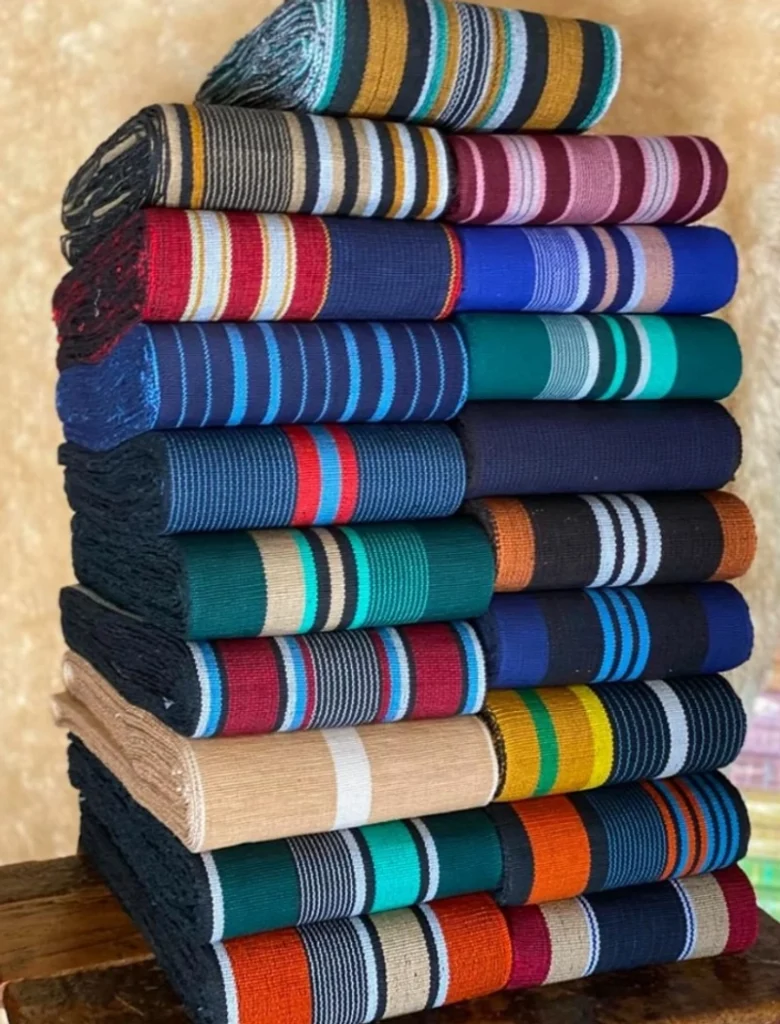
Once reserved for weddings and cultural events, Aso-Oke is now appearing on global runways and in diaspora fashion scenes, driven by a surge in demand for authentic, sustainable, and culturally rooted textiles.
Industry players say the shift is not just cultural but economic, with the fabric increasingly seen as a viable non-oil export capable of generating jobs across the value chain—from local weavers to designers and retailers.
Fashion entrepreneurs are also leveraging digital platforms to market Aso-Oke globally, connecting rural artisans directly to international buyers and helping to scale what was once a largely local craft industry.
However, experts warn that without structured investment, the opportunity could be lost. Challenges such as aging weavers, lack of modern equipment, and limited access to global distribution networks continue to constrain growth.
As global interest rises, stakeholders are calling for targeted policies to transform Aso-Oke from a cultural symbol into a competitive export industry, positioning Nigeria not just as a source of raw materials, but as a hub for high-value creative production.
