


Kimbanguism: The Faith Movement Influencing Politics in DR Congo
Kimbanguism, a homegrown Christian movement in the Democratic Republic of the Congo, is increasingly shaping both religious life and political discourse in the country.
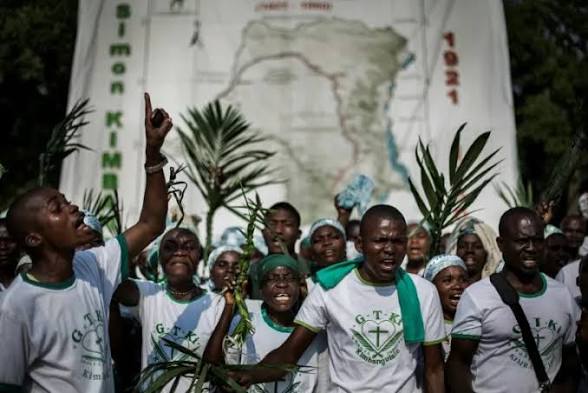
Founded in 1921 by Simon Kimbangu, the church began as a spiritual movement during colonial rule and quickly evolved into a symbol of African resistance and identity. Today, it remains one of the largest and most influential religious institutions in Central Africa.
With millions of followers across DR Congo and in the diaspora, the church plays a significant role not only in spiritual guidance but also in social cohesion, education, and national identity formation.
Observers say Kimbanguism’s influence extends into politics, where its leaders and members often engage in national conversations around governance, peace, and development. Its historical roots in anti-colonial resistance have also given it a unique moral authority in public affairs.
While the church officially maintains a spiritual mandate, analysts note that its visibility and large following make it an important stakeholder in the country’s political landscape, particularly during periods of national tension or transition.
As DR Congo navigates ongoing economic and security challenges, Kimbanguism continues to stand at the intersection of faith, identity, and influence, shaping both belief systems and broader societal direction.
