


Monday, 13 Apr 2026
  • My Feeds
  • My Saves
  • History
  • Blog
Subscribe
Ideko Africa Ideko Africa
  • Africa News
  • Unstoppable Africa
  • World News
  • African History
  • Our Fact check
  • Contact
Font ResizerAa
Ịdekọ AfricaỊdekọ Africa
  • Africa News
  • Unstoppable Africa
  • World News
Search
  • Africa News
  • Unstoppable Africa
  • World News
  • African History
  • Our Fact check
  • Contact
Have an existing account? Sign In
Follow US
  • About Us
  • Contact Us
  • Join Us
  • Privacy Policy
© 2025 Ideko Africa . All Rights Reserved.
Ịdekọ Africa > Blog > Uncategorized > New Power Rules Aim to Stop Wasted Electricity
Uncategorized

New Power Rules Aim to Stop Wasted Electricity

Timothy Obiezu
Last updated: April 13, 2026 12:45 pm
Timothy Obiezu
Share
SHARE

New Power Rules Aim to Stop Wasted Electricity

A large part of Nigeria’s electricity problem happens before power even reaches homes. Energy is lost along the way, and regulators are now moving to tighten control over it.
New Power Rules Aim to Stop Wasted Electricity

A large part of Nigeria’s electricity problem happens before power even reaches homes. Energy is lost along the way, and regulators are now moving to tighten control over it.

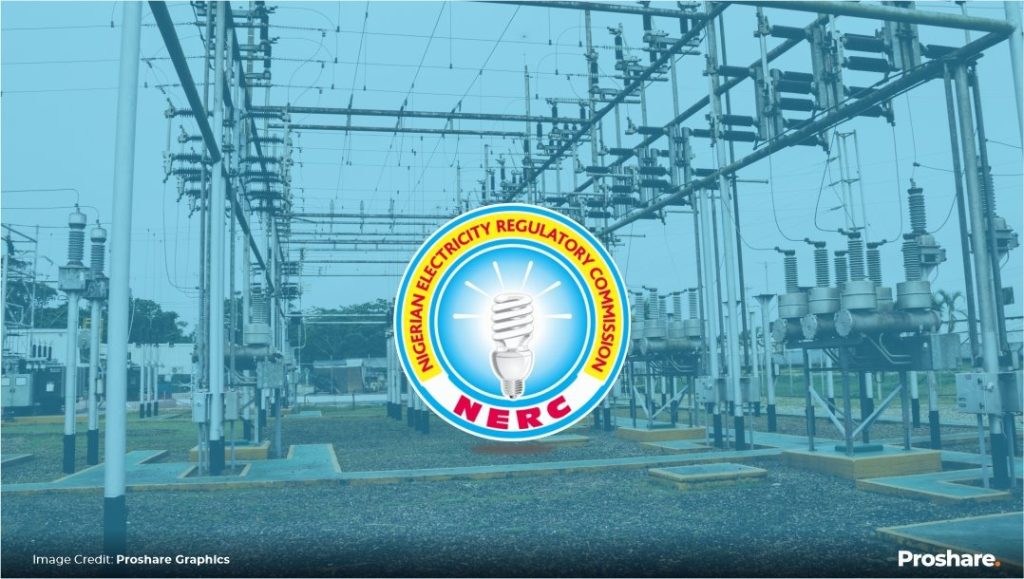
The Nigerian Electricity Regulatory Commission has introduced new rules to closely monitor how electricity is lost during transmission across regions. The focus is on tracking, reporting, and reducing these losses with clear data.

Although there has been a small improvement, the numbers remain worrying. Transmission losses dropped to 7.24 per cent in 2025 from 8.71 per cent in 2024. This is still above the allowed 7 per cent limit, showing that too much power is still slipping through the system.

To address this, system operators are now required to install smart meters at key regional points before the end of 2026. These devices will help measure energy flow more accurately and expose where losses are highest.

Operators must also begin proper documentation of electricity passing through transformers and submit reports every quarter. This is expected to improve accountability and reduce guesswork in the sector.

The Transmission Company of Nigeria has also been given a deadline to present a plan on how it will cut down these losses. The target is even stricter now, with losses expected to fall to 6.5 per cent by December 2026.

This move is coming at a time when Nigerians continue to deal with unstable electricity, rising energy costs, and frequent reliance on generators. Every unit of lost power adds to the burden on consumers.

There are also deeper financial issues. Distribution companies are struggling to recover revenue, with a significant portion of electricity either not billed or not paid for. This weakens the entire power system.

The new regulation shifts attention to one key issue: waste. By forcing better tracking and clear reporting, the regulator is pushing for a system where less electricity is lost and more value reaches consumers.

If these measures are followed through, they could help improve efficiency and reduce the silent losses that have long affected Nigeria’s power sector.

The Nigerian Electricity Regulatory Commission has introduced new rules to closely monitor how electricity is lost during transmission across regions. The focus is on tracking, reporting, and reducing these losses with clear data.

Although there has been a small improvement, the numbers remain worrying. Transmission losses dropped to 7.24 per cent in 2025 from 8.71 per cent in 2024. This is still above the allowed 7 per cent limit, showing that too much power is still slipping through the system.

To address this, system operators are now required to install smart meters at key regional points before the end of 2026. These devices will help measure energy flow more accurately and expose where losses are highest.

Operators must also begin proper documentation of electricity passing through transformers and submit reports every quarter. This is expected to improve accountability and reduce guesswork in the sector.

The Transmission Company of Nigeria has also been given a deadline to present a plan on how it will cut down these losses. The target is even stricter now, with losses expected to fall to 6.5 per cent by December 2026.

This move is coming at a time when Nigerians continue to deal with unstable electricity, rising energy costs, and frequent reliance on generators. Every unit of lost power adds to the burden on consumers.

There are also deeper financial issues. Distribution companies are struggling to recover revenue, with a significant portion of electricity either not billed or not paid for. This weakens the entire power system.

The new regulation shifts attention to one key issue: waste. By forcing better tracking and clear reporting, the regulator is pushing for a system where less electricity is lost and more value reaches consumers.

If these measures are followed through, they could help improve efficiency and reduce the silent losses that have long affected Nigeria’s power sector.

Share This Article
Email Copy Link Print
ByTimothy Obiezu
Follow:
Founder/Director
Previous Article Pope responds to Trump, says Church will not bend to political pressure
Next Article Morocco Pushes U.S. to Label Polisario as Militant Group, Raising Regional Stakes
Leave a Comment

Leave a Reply Cancel reply

Your email address will not be published. Required fields are marked *

Your Trusted Source for Accurate and Timely Updates!

Our commitment to accuracy, impartiality, and delivering breaking news as it happens has earned us the trust of a vast audience. Stay ahead with real-time updates on the latest events, trends.
FacebookLike
XFollow
InstagramFollow
LinkedInFollow
MediumFollow
QuoraFollow
- Advertisement -
Ad image

You Might Also Like

Nigeria to Withdraw Passports of Citizens Who Renounce Nationality

By
Ideko Africa

Over 50 Feared Dead in Suspected Accidental Airstrike at Borno–Yobe Border Market

By
Ideko Africa

Pope Begins Africa Tour with Strong Message of Peace

By
Timothy Obiezu

ExxonMobil Eyes $24 Billion Investment in Nigeria’s Deepwater Oil Sector

By
Ideko Africa
Ideko Africa Ideko Africa
Facebook Twitter Youtube Rss Medium

About US

At ỊDEKỌ AFRICA, we are committed to capturing and amplifying Africa’s truth through bold journalism, podcasts, and dynamic branding. We tell stories with authenticity, integrity, and purpose—ensuring that Africa is seen, heard, and understood.

 
Top Categories
  • About Us
  • Contact Us
  • Join Us
  • Privacy Policy
Usefull Links
  • My Feeds
  • My Saves
  • History
  • Blog

© IdekoAfrica Design By ChigoziemIbeh

Ịdekọ AfricaỊdekọ Africa
Follow US
@idekoafrica2025
Ideko Africa Ideko Africa
Welcome Back!

Sign in to your account

Username or Email Address
Password

Lost your password?