


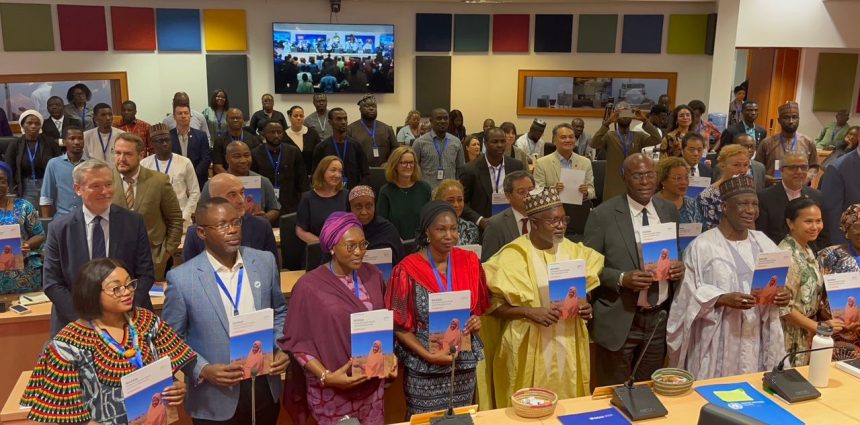
The 2026 Nigeria HNRP also outlines a transition toward nationally led and resourced humanitarian action
The United Nations has appealed for $516 million in humanitarian funding for Nigeria in 2026, warning that nearly 35 million people could face acute food insecurity during the lean season as global aid budgets continue to shrink.
The appeal, launched on Thursday through Nigeria’s 2026 Humanitarian Needs and Response Plan (HNRP), comes amid spiralling humanitarian needs in the conflict-hit Borno, Adamawa and Yobe (BAY) states, where a 16-year insurgency has been compounded by mass displacement, limited access to basic services, climate shocks, economic hardship and shrinking livelihood opportunities.
Speaking at the launch of the plan in Abuja, UN Resident and Humanitarian Coordinator Mohamed Malick Fall said humanitarian conditions were worsening just as international support was rapidly declining.
“Humanitarian needs are dramatically worsening at a time when we are facing the steepest decline in international funding for humanitarian operations,” Fall said. “Every day that funding gaps persist is a day that yet another malnourished child is pushed closer to preventable death.”
The UN estimates that women and children make up eight out of every ten people in immediate need of assistance. In 2026, around 3 million children under the age of five across Nigeria are projected to suffer from life-threatening severe acute malnutrition, including one million children in the BAY states alone.
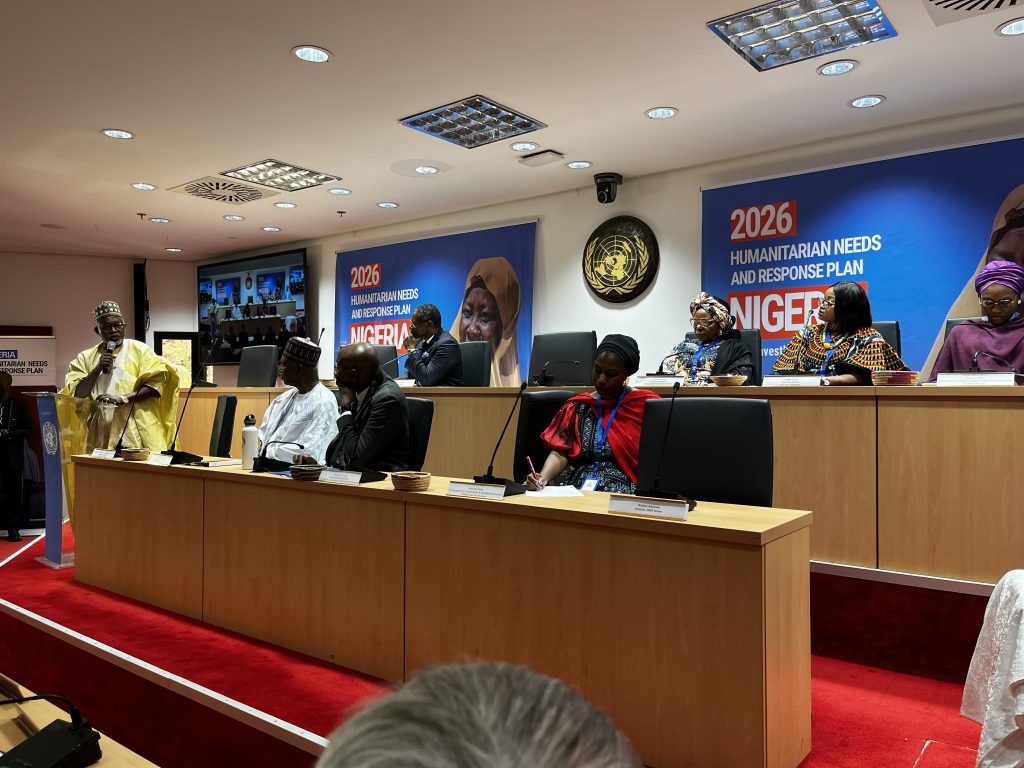
Under the 2026 plan, the UN aims to mobilise $516 million to provide life-saving assistance to 2.5 million people, down from 3.6 million in 2025, reflecting deepening funding constraints.
“These are not statistics. These numbers represent lives, futures and Nigerians,” Fall said, noting that humanitarian agencies are increasingly forced to prioritise only the most critical interventions.
The funding crunch has already had severe consequences. Late last year, the World Food Programme (WFP) warned that millions could go hungry after it was forced to cut assistance for more than 300,000 children.
This week, the agency announced that for the first time in Nigeria, its assistance would be limited to just 72,000 people, a sharp drop from 1.3 million beneficiaries supported during the same period last year.
The WFP says it urgently needs $129 million to sustain operations in northeast Nigeria over the next six months, warning that failure to secure the funds could lead to a full operational shutdown in the region.
“Now is not the time to stop food assistance,” said David Stevenson, WFP’s Nigeria Country Director. “This will lead to catastrophic humanitarian, security and economic consequences for the most vulnerable people.”
According to the UN, renewed violence, severe flooding and other climate-related shocks have devastated fragile rural communities, destroying food reserves and driving malnutrition rates in several northern states to critical levels.
The 2026 Nigeria HNRP also outlines a transition toward nationally led and resourced humanitarian action, with a gradual scaling down of international support in response to the global decline in humanitarian funding. The UN said a successful transition would depend on a strong partnership between the Nigerian government and the humanitarian community, noting growing national ownership through measures such as locally funded lean-season food support and early-warning actions on flooding.
Nigeria’s Minister of Humanitarian Affairs and Poverty Reduction, Dr. Bernard Doro, said humanitarian action must act as a bridge to long-term stability and development, stressing the need to move from emergency response toward prevention and recovery under full government leadership.
“Let this launch mark a clear transition from dependency to resilience, from response to prevention, and from humanitarian management to sustainable human development,” he said.