


AI Tool Enhances Detection of Smuggled Marine Wildlife in Airport Baggage
Researchers in Australia have developed an artificial intelligence system capable of identifying smuggled marine wildlife products in airport luggage, a breakthrough that could strengthen efforts to combat illegal wildlife trade.
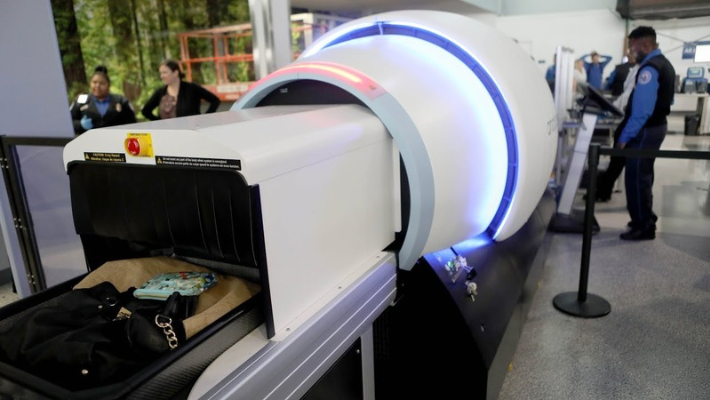
The system integrates advanced 3D X-ray computed tomography (CT) scanning with machine learning to detect concealed items such as shark fins, dried seahorses, and sea cucumbers. Findings from the study indicate that the technology can identify trafficked products with an accuracy rate of over 90 per cent.
Illegal trade in marine species remains a significant global challenge, generating billions of dollars annually while threatening marine biodiversity. Experts note that, unlike more commonly known wildlife crimes, marine trafficking is harder to detect due to the ease with which items can be hidden in everyday luggage.
To develop the model, researchers conducted hundreds of scan simulations using confiscated wildlife products, replicating common smuggling tactics such as concealing items within clothing, wrapping them in foil, or hiding them inside objects.
The system demonstrated strong performance across different categories, recording high detection rates for various marine products. However, researchers emphasised that the technology is intended to support—not replace—existing security measures.
They noted that human expertise and traditional detection methods, including the use of trained sniffer dogs, remain essential, particularly in addressing challenges such as false alarms and limited access to advanced scanning infrastructure.
The innovation is expected to complement ongoing international efforts to tackle wildlife trafficking and protect vulnerable marine ecosystems.
