


How Can Nigeria Plan for 200 Million People With a 20-Year-Old Census?
Nigeria is facing a growing planning challenge as the country continues to rely on population figures from the 2006 census, despite major changes in the size and distribution of its population over the past two decades. With the population now estimated to be more than 200 million, the Chartered Institute of Statisticians of Nigeria (CISON) has renewed calls for the government to conduct a fresh national census.
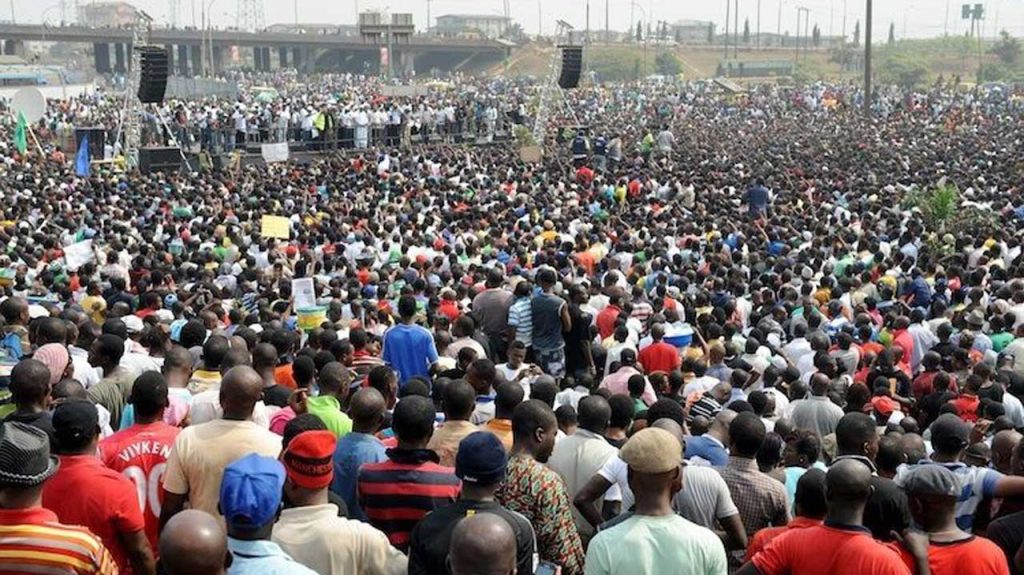
The institute’s president, Dr Godwin Ebuh, raised the concern during activities marking CISON’s 50th anniversary, describing a new census as long overdue. The absence of recent population data means governments and institutions are forced to work with estimates when determining how many schools, hospitals, roads, housing units and other public facilities are needed in different communities.
The impact extends beyond planning. Population figures are also important in determining how public resources are distributed, where infrastructure is prioritised and how social services are designed. Rapid population growth and migration can leave some communities with far more residents than existing facilities were designed to serve, while outdated figures may make it difficult to accurately identify where the greatest needs are.
CISON is therefore urging the government to urgently reform the census process and produce credible, up-to-date population data. Ebuh also said the institute would engage the National Bureau of Statistics on concerns surrounding the methodology used for measuring inflation, while stressing the importance of reliable statistics in government decision-making. The call for a new census comes as Nigeria approaches two decades without a fresh nationwide headcount, raising questions about how accurately the country can plan for the population it has today using data collected in 2006.
