


Nigeria’s Poverty Rises to 63% Despite Falling Inflation — World Bank
Poverty in Nigeria has climbed to 63 per cent of the population in 2025, even as inflation eased significantly, according to a new report by the World Bank.
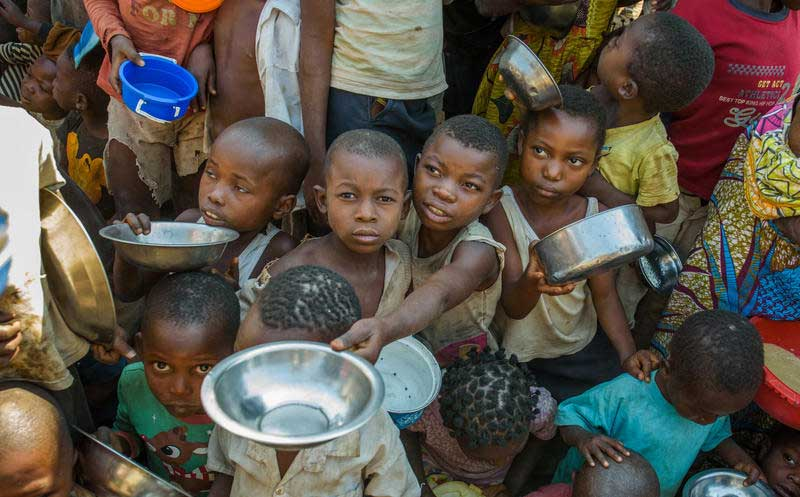
The figure, contained in the World Bank’s April 2026 Nigeria Development Update, shows a steady increase in poverty levels—from 56% in 2023 to 61% in 2024, and now 63% in 2025, representing roughly 140 million Nigerians living below the poverty line. This rise comes despite a sharp decline in inflation, with Nigeria’s headline inflation dropping from about 34.8% in December 2024 to around 15.1% in December 2025, alongside a significant fall in food inflation.
The World Bank noted that the improvement in price stability has not translated into better living conditions, as earlier spikes in inflation had already eroded household incomes and purchasing power. The report highlights a widening gap between macroeconomic gains and everyday realities, with many households still struggling with high living costs, weak income growth, and limited economic opportunities.
Economists say the trend underscores a structural challenge: while inflation may be slowing, real incomes have not recovered, leaving millions unable to meet basic needs.The World Bank urged Nigeria to implement targeted social protection, job creation strategies, and investments in human capital, particularly early childhood development, to reverse the worsening poverty trend. The data reinforces concerns that economic stabilization alone is not enough—without inclusive growth, a majority of Nigerians may continue to face declining living standards despite improving headline indicators.