


South Sudan’s Kiir Dismisses Central Bank Governor in Latest Senior-Level Shake-Up
South Sudanese President Salva Kiir Mayardit has dismissed the governor of the country’s central bank, the latest in a series of high-level changes to his government as his administration continues to reshuffle senior officials.
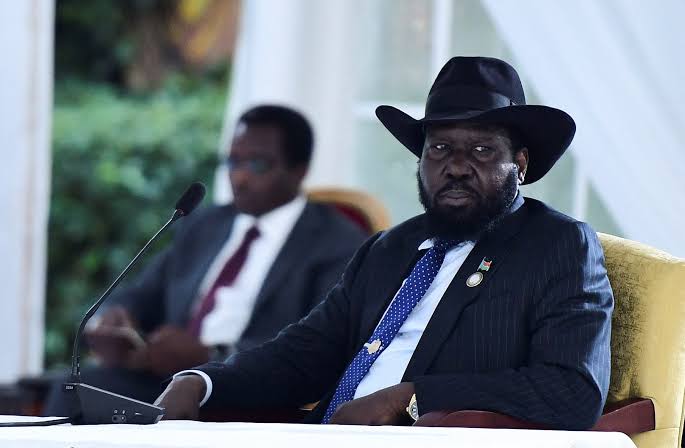
Johnny Ohisa Damian, governor of the Bank of South Sudan, was removed from office in a presidential decree announced late on Wednesday. No official explanation was immediately given for his dismissal.
Kiir appointed Addis Ababa Othow as his replacement. Othow is a former governor of the central bank who previously held the position between June and November 2025, according to South Sudanese state media.
The latest move adds to a pattern of frequent changes among senior officials under Kiir, including at the central bank, finance ministry and military.
The Bank of South Sudan has experienced particularly rapid turnover in its senior leadership.
In January, Kiir dismissed Yeni Samuel Costa after just over two months in office and reappointed Ohisa, giving him a third stint as central bank governor since 2022. Costa’s brief tenure came as South Sudan faced severe economic pressures, including currency depreciation and high inflation.
In February, Kiir also dismissed two deputy governors of the central bank and appointed replacements. The changes came as authorities faced continuing challenges involving inflation, currency weakness and financial stability.
The latest dismissal follows a broader series of political and institutional changes.
In May, Kiir dismissed the country’s military chief, General Paul Nang, as well as Finance Minister Salvatore Garang Mabiordit. General Santino Deng Wol was reappointed as army chief, while Kuol Daniel Ayulo became finance minister.
The president has also made changes at the state level, including replacing the governor of Upper Nile State in May.
The repeated reshuffles have drawn attention because they come as South Sudan faces political uncertainty, economic difficulties and continuing security concerns.
South Sudan, the world’s youngest country, remains heavily dependent on oil revenues and has struggled with economic instability.
Analysts have previously interpreted Kiir’s frequent changes in senior government and security positions as part of efforts to consolidate authority amid uncertainty over the country’s political transition.
