


UN Report Flags The Country’s Landfill as World’s Largest Methane Emission Hotspot
A major landfill on the outskirts of Santiago, Chile, has been identified as the world’s largest single site emitter of methane, according to a United Nations Environment Programme (UNEP) study based on satellite data.
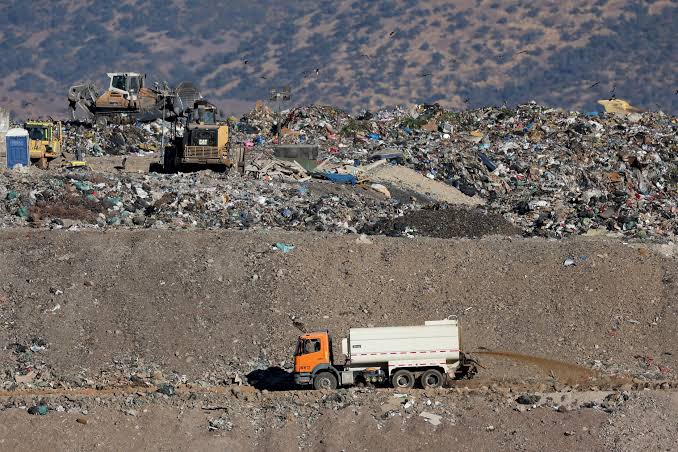
The Lomas Los Colorados landfill, which receives waste from millions of residents in the Chilean capital region, was ranked at the top of a list of 50 major human-made methane hotspots globally. The report estimates that the site releases over 100,000 metric tons of methane annually, a volume comparable to emissions from nearly two million cars.
Methane, a potent greenhouse gas, is a key driver of global warming and accounts for a significant share of climate-altering emissions, according to UNEP monitoring systems.
While the landfill has an active biogas recovery system that converts captured methane into energy, the UN analysis suggests emissions remain substantial based on satellite observations.
Local operators argue that the system has helped reduce overall emissions and generate electricity for nearby facilities, but environmental experts say stronger waste separation and organic waste treatment are needed to further reduce emissions.
Residents living near the site have also raised concerns about persistent odors and environmental impacts, highlighting the social dimension of waste management challenges in rapidly growing urban areas.
The findings add to growing global scrutiny of methane emissions from waste, oil, and gas sectors, as countries intensify efforts to meet climate targets and limit global temperature rise.
