


WHO Restricts Ervebo Use in Bundibugyo Ebola Outbreak
The World Health Organization has restricted the use of the Ervebo Ebola vaccine in the Democratic Republic of Congo’s ongoing Bundibugyo virus disease outbreak, saying there is currently insufficient evidence that the vaccine protects against the strain responsible for the epidemic.
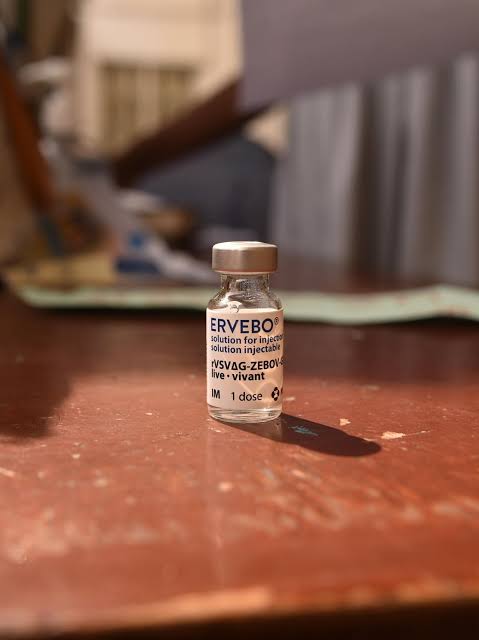
WHO’s emergency guidance recommends that Ervebo, which is licensed against the Zaire ebolavirus, should not be used as a routine vaccination programme during Bundibugyo virus outbreaks. Instead, its use should be limited to controlled research settings where its effectiveness can be properly assessed.
The decision is significant because Ervebo has been an important tool in controlling previous Ebola outbreaks. However, the current outbreak is caused by Bundibugyo virus, a different Ebola species for which there is currently no licensed vaccine or approved specific treatment. WHO says available evidence on whether Ervebo provides cross-protection is limited and inconsistent.
Despite the restriction, the vaccine has already been introduced in the DRC under a compassionate-use and clinical research approach, with frontline health workers among those being prioritised. The objective is both to provide possible protection and generate evidence on whether Ervebo can offer meaningful protection against Bundibugyo virus.
The move comes as the outbreak continues to expand. WHO said the virus had spread to 60 health zones across six provinces by late August. The outbreak has become the largest and fastest-growing Ebola outbreak recorded in the DRC, placing enormous pressure on an already fragile health system.
WHO is instead urging authorities to rely heavily on established outbreak-control measures, including early detection, surveillance, contact tracing, infection prevention, clinical care and community engagement, while accelerating research into vaccines and treatments specifically targeting Bundibugyo virus.
The situation presents a major challenge for health authorities: a vaccine that has proven valuable against one Ebola strain is available, but its effectiveness against the virus driving the current crisis remains uncertain.
