


Bullets Before Ballots: Rising Insecurity Threatens Nigeria’s 2027 Elections
Escalating violence across Nigeria is raising fresh concerns about the credibility and safety of the country’s 2027 general elections, with reports indicating that thousands of lives have been lost in just a few months amid worsening insecurity.
While claims circulating on social media suggest that over 5,000 people were killed within five months, independent data verification remains limited. However, multiple credible reports confirm a sharp rise in killings, kidnappings, and mass attacks across several regions, underscoring a deepening national security crisis.
According to recent analyses, Nigeria has witnessed persistent and widespread violence driven by armed bandits, insurgent groups such as Boko Haram and ISWAP, and intercommunal clashes, particularly in the North-West, North-East, and Middle Belt regions.
In early 2026 alone, the country recorded several deadly incidents. In February, coordinated attacks in Kwara State left over 160 people dead in one of the deadliest massacres in recent months, while separate assaults in Niger State and Kebbi State resulted in dozens of additional fatalities.
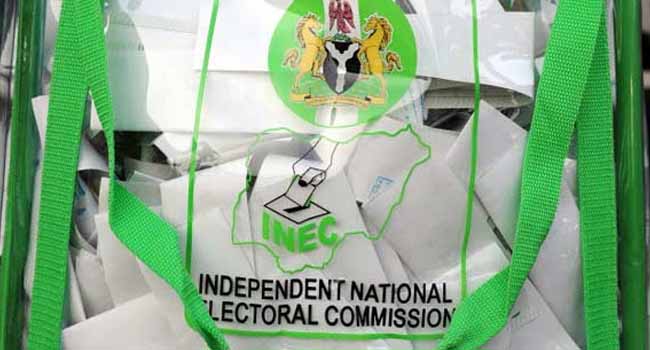
Beyond the human toll, analysts say the growing insecurity poses a direct threat to Nigeria’s democratic process. Elections in volatile regions may face low voter turnout, logistical disruptions, and heightened risk of violence, potentially undermining public trust in the outcome.
Historically, Nigeria’s elections have been challenged by security concerns, but the current trajectory suggests a more complex and widespread threat landscape. Experts argue that without significant improvements in intelligence coordination, local policing, and military response, large parts of the country could remain unstable heading into the 2027 polls.
The federal government has repeatedly pledged to tackle insecurity, but critics say progress has been uneven, with attacks continuing despite intensified military operations.
As Nigeria approaches another electoral cycle, the central question remains whether authorities can restore sufficient security to ensure that ballots—not bullets—determine the country’s democratic future.
