


Anti-Immigrant Protests Escalate as Nigeria Seeks Diplomatic Action Over Citizens’ Safety
Tensions linked to anti-immigrant sentiment have intensified in parts of South Africa, with coordinated protests spreading across several urban communities and raising concerns about the safety of foreign nationals.
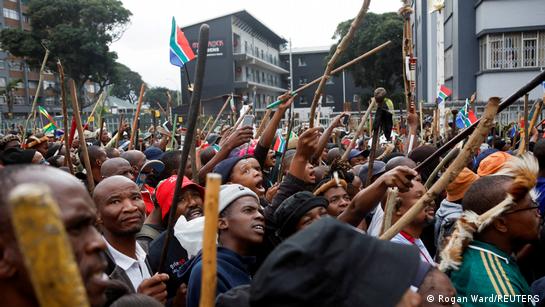
The unrest has been reported in Johannesburg’s Alexandra township, as well as Soweto and Durban, where groups of demonstrators have moved through residential neighbourhoods in search of individuals suspected to be undocumented migrants. In some cases, these actions have included organised marches followed by targeted checks within communities. Security agencies have since increased their presence in the affected areas to contain the situation and prevent further escalation.
The protests are unfolding against a backdrop of economic strain, including high unemployment and pressure on public resources, factors often cited as fuelling hostility toward migrants. Groups involved in the demonstrations have continued to advocate stricter immigration enforcement and tighter border control measures.
Authorities have cautioned against unlawful enforcement actions by civilians, reiterating that immigration control remains the responsibility of state institutions. Officials have warned that such actions could worsen tensions and undermine public safety.
Amid the developments, Nigeria’s House of Representatives has called for a stronger diplomatic response to protect its citizens. The move follows the evacuation of hundreds of Nigerians who returned home through a government-supported process due to rising security concerns.
Lawmakers expressed concern over repeated incidents involving foreign nationals, noting the potential impact on bilateral relations. They urged the Federal Government to intensify diplomatic engagement, ensure accountability for reported abuses, and strengthen support for affected citizens.
The legislature also recommended collaboration with regional and international bodies to address migration-related tensions and improve protections for African migrants. Additional measures proposed include enhanced consular services and support for the reintegration of returnees.
The situation shows broader challenges related to migration, economic inequality, and social cohesion, with observers warning of possible regional implications if tensions persist.
