


Government Deploys Experimental Ebola Treatment in Congo, Accelerating Trial Efforts
The United States has supplied an experimental Ebola treatment to support the response to a growing outbreak in the Democratic Republic of the Congo, in a move that could fast-track clinical trials for the deadly virus.
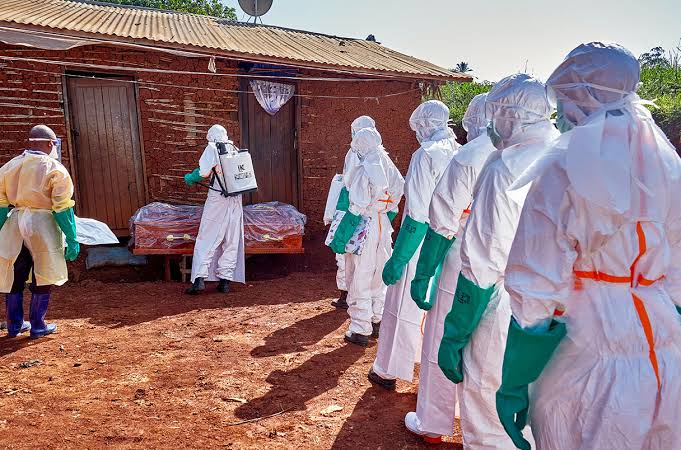
The treatment, known as MBP134 and developed by Mapp Biopharmaceutical, is being deployed for both emergency use and formal clinical testing as health authorities race to contain the outbreak.
This marks a significant policy shift, as the U.S. had previously reserved the drug primarily for treating high-risk American patients. The current deployment is aimed at gathering real-world data that could support regulatory approval if the trials prove successful.
The trials are expected to be conducted in collaboration with the World Health Organization and research partners, including the University of Oxford, alongside other potential treatments such as antiviral drugs.
The outbreak—caused by the rare Bundibugyo strain of Ebola, which has no approved vaccine or treatment—has already infected more than 1,000 people and killed over 250, according to recent reports.
Health experts say the introduction of experimental therapies is critical, as this strain differs from more common variants and has historically lacked targeted medical countermeasures.
However, conducting trials in eastern Congo presents major challenges, including insecurity, population displacement, and limited healthcare infrastructure, all of which complicate containment and research efforts.
The U.S. has also committed additional funding and personnel to the response, reinforcing its role as a leading international partner in efforts to curb the outbreak and prevent further regional spread.
The development signals cautious optimism among global health authorities, who view the trials as a potential breakthrough in managing one of the most complex Ebola outbreaks in recent years.
