


Senate Urges Full Attendance Ahead of Vote on State Police Bill as President Submits Proposal
The Nigerian Senate is set to deliberate and vote on a constitutional amendment bill proposing the establishment of state police, following its submission to the National Assembly by President Bola Tinubu.
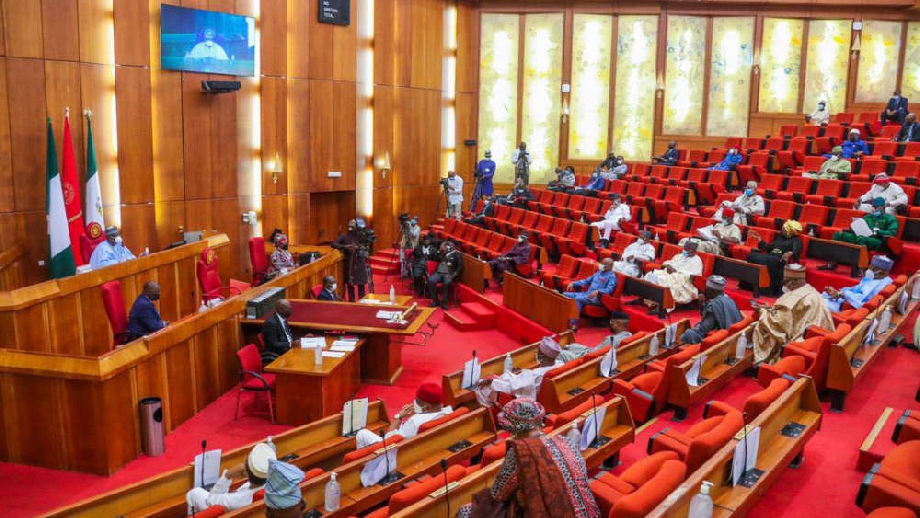
The proposed legislation has reignited national debate over decentralising the country’s policing system, with security experts and retired officials expressing varied opinions on the scope of authority that should be granted to state governors.
Supporters of the initiative argue that state-controlled police units could significantly improve internal security by enhancing intelligence gathering and enabling faster responses to local threats. They believe decentralisation would strengthen community-based policing and allow states to take greater responsibility for addressing crimes such as kidnapping, banditry, and terrorism.
Several retired military and police officers noted that state police should operate within clearly defined legal boundaries, with responsibilities covering internal security, investigations, and community safety. They also stressed the importance of integrating state-level intelligence into a coordinated national framework.
However, concerns have been raised about the potential misuse of such powers. Critics caution that without effective oversight, state police could be vulnerable to political interference or abuse, including unlawful arrests and intimidation of political opponents.
To address these concerns, experts have recommended the establishment of independent oversight bodies at both federal and state levels, alongside strict legal safeguards to ensure accountability and adherence to due process.
Senate President Godswill Akpabio has urged lawmakers to prioritise attendance for the vote, describing the bill as a major step in reforming Nigeria’s security structure. He emphasised that constitutional amendments require broad legislative support and called on senators to approach the process with a sense of national responsibility.
The bill seeks to amend provisions of the 1999 Constitution to create a legal framework for state police operating alongside the existing federal police system. For the amendment to be adopted, it must secure the approval of at least two-thirds of members of both chambers of the National Assembly and be ratified by no fewer than 24 state Houses of Assembly.
State governors have also expressed support for the proposal, advocating for greater constitutional authority over security operations within their jurisdictions, as well as sustainable funding arrangements for the new policing structure.
While proponents view the reform as a necessary response to Nigeria’s evolving security challenges, others stress that its success will depend on the implementation of strong checks and balances.
The outcome of the Senate vote is expected to play a decisive role in determining whether Nigeria moves toward a decentralised policing system after years of debate.
