


Nigeria’s Voter Registration Closes Despite Complaints
Nigeria’s nationwide Continuous Voter Registration (CVR) exercise has ended following a two-week extension granted by the Independent National Electoral Commission (INEC) ahead of the 2027 general elections.
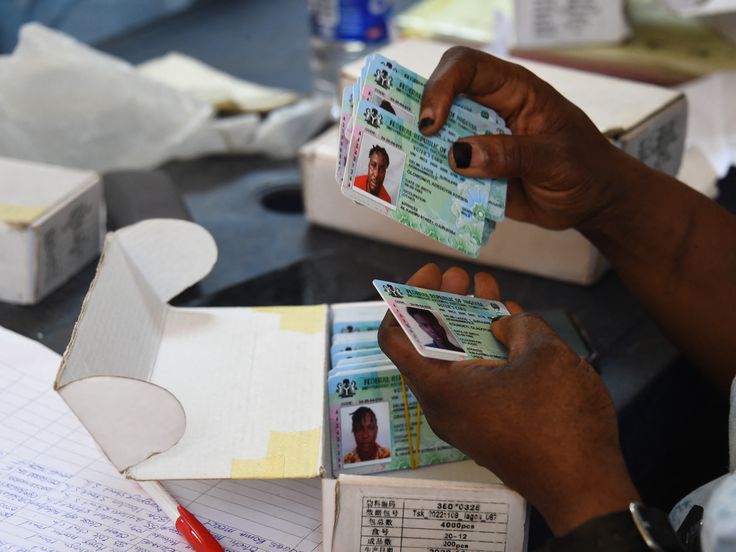
INEC’s decision to close the exercise despite calls for a further extension has drawn mixed reactions from political parties, civil society organisations and election stakeholders. Critics cited technical glitches, security concerns and access challenges at some registration centres, arguing that these issues may have prevented some eligible Nigerians from registering ahead of the 2027 polls.
The registration exercise, which began in August 2025, was originally scheduled to end on 10 July but was extended to 24 July after INEC said it received widespread appeals from its state offices, political parties, civil society organisations and other stakeholders. The Commission said the additional time was intended to give more eligible Nigerians the opportunity to be added to the national register of voters.
Although deadline extensions are not unprecedented, they are relatively uncommon and are usually granted in response to sustained public appeals or operational challenges. INEC has extended voter registration exercises in previous election cycles to accommodate increased demand and improve access for prospective voters.
During the extension, the Commission also introduced an online self-service registration platform for first-time voters, allowing eligible Nigerians to begin the registration process online before completing biometric verification at designated registration centres. INEC said the initiative was aimed at improving accessibility and reducing congestion at registration centres.
It remains unclear how much impact the additional two weeks and the new online registration platform had on overall voter registration. INEC has yet to release final nationwide figures showing how many additional voters registered during the extension period. Those figures are expected to provide a clearer indication of whether the measures significantly increased voter participation ahead of the 2027 general elections.
