


Nigeria Requires $228 Billion Investment to Strengthen Power Sector by 2045
Nigeria is projected to require about $228 billion in investment in its electricity sector between 2026 and 2045 in order to improve supply reliability and meet rising energy demand. The estimate translates to roughly $12 billion in annual funding over the period, a significant increase compared to the current average yearly investment of about $1 billion.
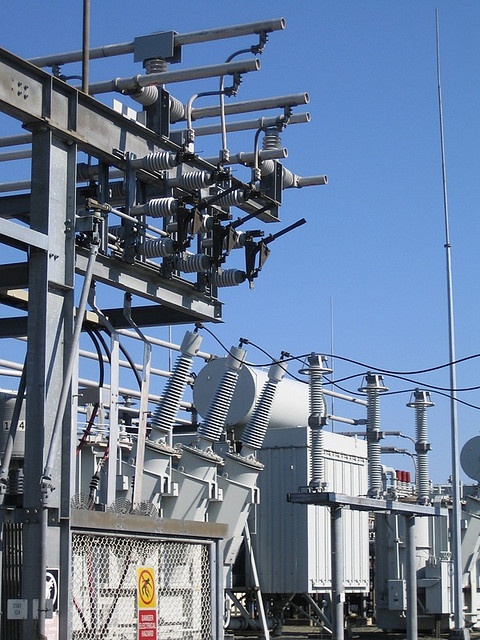
The projection was highlighted by the Special Adviser to the President on Power Infrastructure, Sadiq Wanka, during an energy-focused forum in Lagos, where he stressed the urgent need to close the substantial funding gap in the sector. According to him, achieving a stable and efficient power system will depend on coordinated policy reforms, stronger regulatory frameworks and sustained efforts to attract both domestic and international investment.
He explained that the required funding would be distributed across the major segments of the electricity value chain, including generation, transmission and distribution, all of which need considerable upgrades to ensure a functional national grid. Despite the financial challenges, recent reforms, particularly the Electricity Act of 2023, have expanded opportunities for state governments and private sector participation, encouraging decentralised growth and improved governance within the industry.
Wanka also pointed to ongoing initiatives and policy adjustments aimed at easing financial pressure on the government, including a gradual shift towards cost-reflective tariffs and a reduction in subsidy burdens. He noted that increased investment in alternative energy sources, especially solar power, alongside new commitments in gas development projects, is gradually improving the sector’s outlook.
In addition, several strategic programmes are being introduced to enhance electricity supply, including pilot projects targeting industrial clusters, the establishment of a transmission infrastructure fund, and renewed efforts to develop hydropower resources through public-private partnerships. The federal government is also working with development partners to mobilise financing, strengthen investment frameworks and accelerate progress towards closing the country’s electricity access gap, which remains a major challenge for economic growth.
