


Senate Approves Bill To Extend Presidential Terms, Could Keep Mnangawa in Power Until 2030
Zimbabwe’s upper house of parliament has approved a controversial constitutional amendment bill extending presidential terms from five to seven years, a move that could allow President Emmerson Mnangagwa to remain in office until 2030.
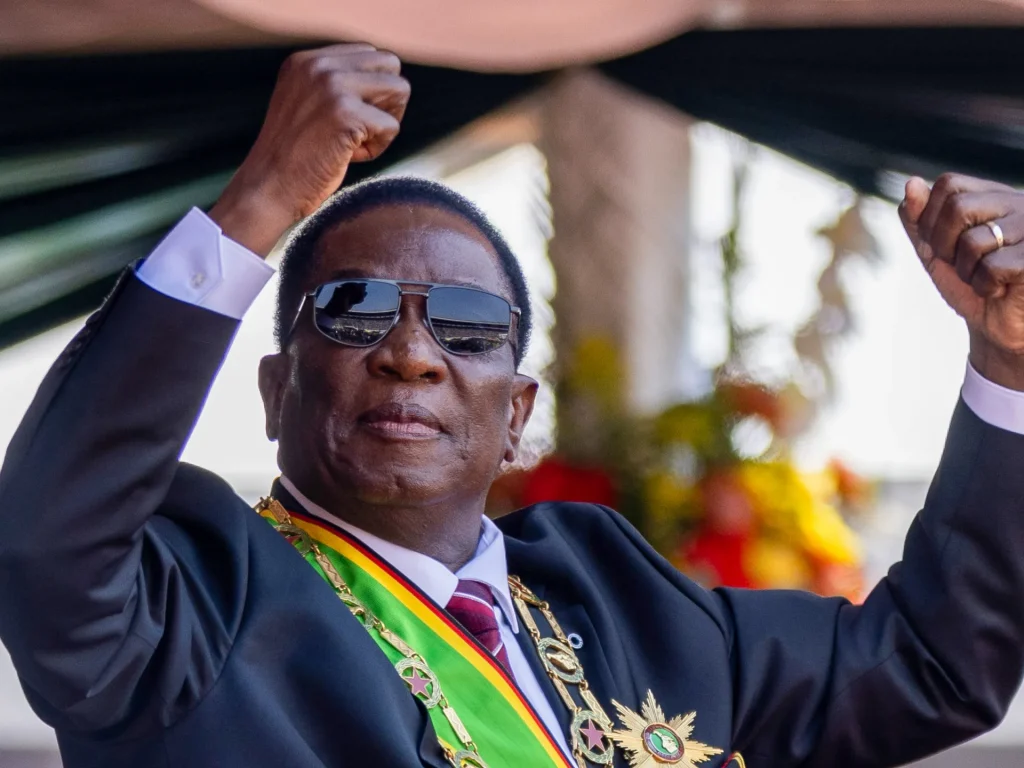
The Senate passed the legislation on Wednesday, following earlier approval by the lower house, marking a significant step in reshaping the country’s electoral and governance framework.
The proposed amendment delays the next presidential election from 2028 to 2030 and elongates the tenure of elected officials, including lawmakers and local government leaders, from five to seven years.
Supporters within the ruling ZANU-PF party argue the reform will promote political stability, reduce election costs, and allow for longer-term policy planning.
However, the move has drawn criticism from opposition figures, civil society groups, and legal experts, who warn it could undermine democratic norms and concentrate power within the executive. Some critics argue that extending presidential tenure should require a national referendum.
President Mnangagwa, who came to power in 2017 following the removal of longtime leader Robert Mugabe, is currently serving his second term, which was initially set to end in 2028.
The amendment is part of broader constitutional changes that could also alter how presidents are elected, with proposals suggesting a shift from direct public voting to selection by lawmakers—an idea that has intensified political tensions in the country.
If fully enacted, the reform would mark one of the most consequential political shifts in Zimbabwe in recent years, with potential implications for governance, electoral integrity, and regional democratic standards.
