


Public Debt Rises to N159.35 Trillion as Borrowing Expands
Nigeria’s total public debt increased to N159.35 trillion as of March 2026, reflecting a rise of nearly N10 trillion over a one-year period, according to data released by the Debt Management Office.
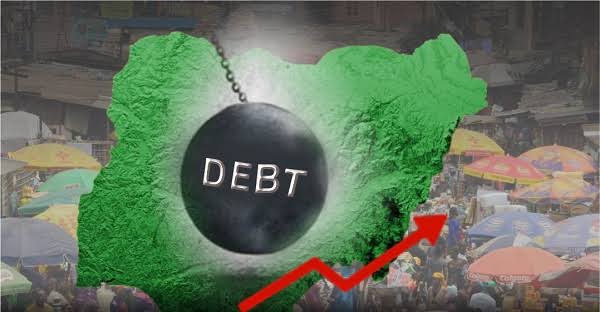
The figures show that debt grew by N9.96 trillion, representing a 6.67 per cent increase from the N149.39 trillion recorded in March 2025. In dollar terms, the debt stock also rose significantly, climbing from $97.24 billion to $114.95 billion within the same period.
On a quarterly basis, the increase was marginal in naira terms. Total debt edged up by N75.51 billion between December 2025 and March 2026. However, when measured in dollars, the debt rose by $3.98 billion over the three months.
The difference between naira and dollar valuations was largely influenced by exchange rate adjustments used in converting external debt. A stronger naira during the period reduced the local currency value of foreign obligations despite a slight increase in dollar-denominated debt.
External debt stood at $51.90 billion at the end of March 2026, showing only a modest increase compared to the previous quarter. In naira terms, however, it declined to N71.95 trillion due to exchange rate movements.
In contrast, domestic debt continued to rise, increasing to N87.40 trillion from N84.85 trillion in December 2025. This growth further strengthened the dominance of domestic borrowing in the country’s debt structure.
Domestic debt accounted for 54.85 per cent of total public debt as of March 2026, up from 53.27 per cent three months earlier, while the share of external debt declined correspondingly.
Year-on-year data also indicate a stronger shift toward domestic financing. Domestic debt rose by N8.64 trillion over the 12-month period, while external debt recorded a more moderate increase in naira terms.
The Federal Government remained the largest contributor to domestic debt, with its obligations rising to N82.88 trillion in March 2026. This represented a steady increase both on a quarterly and annual basis, and accounted for just over half of the country’s total public debt.
The trend highlights continued reliance on local borrowing to finance fiscal needs, even as exchange rate dynamics influence the valuation of external debt.
