
Tuesday, 8 Sep 2026
  • My Feeds
  • My Saves
  • History
  • Blog
Subscribe
Ideko Africa Ideko Africa
  • Africa News
  • Unstoppable Africa
  • World News
  • African History
  • Our Fact check
  • Contact
Font ResizerAa
Ịdekọ AfricaỊdekọ Africa
  • Africa News
  • Unstoppable Africa
  • World News
Search
  • Africa News
  • Unstoppable Africa
  • World News
  • African History
  • Our Fact check
  • Contact
Have an existing account? Sign In
Follow US
  • About Us
  • Contact Us
  • Join Us
  • Privacy Policy
© 2025 Ideko Africa . All Rights Reserved.
Ịdekọ Africa > Blog > Africa News > Push to Popularise Africa’s Indigenous Languages Gains Momentum
Africa News

Push to Popularise Africa’s Indigenous Languages Gains Momentum

Ideko Africa
Last updated: September 7, 2026 7:15 pm
Ideko Africa
Share
SHARE

Push to Popularise Africa’s Indigenous Languages Gains Momentum

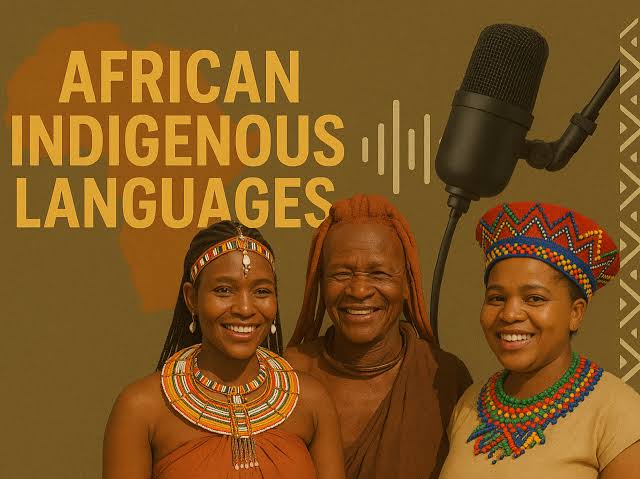
Efforts to promote Africa’s indigenous languages are gaining renewed momentum, as educators, cultural advocates, artists and technology developers seek to prevent local languages from being pushed further to the margins by dominant global languages.
Push to Popularise Africa’s Indigenous Languages Gains Momentum

The renewed campaign is being driven partly by growing concerns over language loss, particularly among younger generations. Across the continent, urbanisation, migration, formal education and the dominance of English, French and other colonial languages have reduced the everyday use of many indigenous languages.

In Nigeria, for example, the country has more than 450 indigenous languages, but English continues to dominate formal education and many official settings. Recent research has highlighted growing interest in multilingual approaches that allow students to use their mother tongues alongside English in the classroom.

Technology and entertainment are also emerging as important tools in the effort to revitalise African languages. Music performed in indigenous languages is finding larger audiences through streaming and social media platforms, while filmmakers and content creators are increasingly using local languages with subtitles to reach audiences beyond their linguistic communities.

In Malawi, for instance, the growing recognition of poetry in Chichewa has demonstrated how indigenous languages can be used effectively to communicate contemporary ideas and reach audiences in ways that resonate culturally.

The push is also extending into education and children’s literature. Projects in parts of Africa are developing books and digital learning materials in indigenous languages, particularly for younger children, in an attempt to ensure that language transmission does not stop with older generations.

Advocates say preserving indigenous languages is about more than maintaining vocabulary. Languages carry histories, oral traditions, cultural knowledge and community identities that can be difficult to preserve once a language falls out of everyday use.

The challenge, however, is turning renewed interest into sustained use — in homes, schools, media, entertainment and digital platforms.

As Africa’s youthful population increasingly consumes content online, supporters of the movement argue that making indigenous languages useful, modern and attractive to young people may be one of the most effective ways of keeping them alive.

Share This Article
Email Copy Link Print
Previous Article Robots Take to Warsaw Streets in Unusual Protest for AI Regulation
Next Article Italian Catholic Priest Leaves Priesthood, Marries Kenyan
Leave a Comment

Leave a Reply Cancel reply

Your email address will not be published. Required fields are marked *

Your Trusted Source for Accurate and Timely Updates!

Our commitment to accuracy, impartiality, and delivering breaking news as it happens has earned us the trust of a vast audience. Stay ahead with real-time updates on the latest events, trends.
FacebookLike
XFollow
InstagramFollow
LinkedInFollow
MediumFollow
QuoraFollow
- Advertisement -
Ad image

You Might Also Like

Chad, Republic of Congo to Open Visa-Free Access to Nigerians From 2027

By
Ideko Africa

Burkina Faso, Mali and Niger Submit Joint Bid for 2032 AFCON

By
Ideko Africa

Nigerian Entrepreneur Reportedly Registers Uber.com.ng After Uber Exit

By
Ideko Africa

Drug Agency Warns Parents Over Cannabis-Laced Cookies and Gummies Targeting Children

By
Ideko Africa
Ideko Africa Ideko Africa
Facebook Twitter Youtube Rss Medium

About US

At ỊDEKỌ AFRICA, we are committed to capturing and amplifying Africa’s truth through bold journalism, podcasts, and dynamic branding. We tell stories with authenticity, integrity, and purpose—ensuring that Africa is seen, heard, and understood.

 
Top Categories
  • About Us
  • Contact Us
  • Join Us
  • Privacy Policy
Usefull Links
  • My Feeds
  • My Saves
  • History
  • Blog

© IdekoAfrica Design By ChigoziemIbeh

Ịdekọ AfricaỊdekọ Africa
Follow US
@idekoafrica2025
Ideko Africa Ideko Africa
Welcome Back!

Sign in to your account

Username or Email Address
Password

Lost your password?