


Nigeria’s Reserves Hit 17-Year High as Inflation Eases, CBN Says
Nigeria’s foreign exchange reserves have climbed above $52.5 billion, reaching their highest level in 17 years, while inflation recorded a modest decline between June and July, according to the Central Bank of Nigeria (CBN).
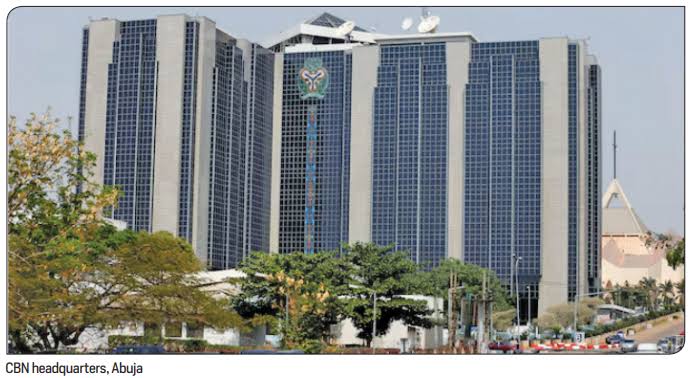
The development was disclosed at the CBN Fair in Lokoja, Kogi State, where the bank attributed the recent improvement in key economic indicators to sustained monetary tightening, exchange-rate reforms and greater transparency in the foreign exchange market. The event focused on expanding alternative payment systems and improving financial inclusion.
According to the CBN, headline inflation fell from 15.91 per cent in June to 15.43 per cent in July 2026, while both food and core inflation also recorded declines during the period. The bank said the easing suggested that recent monetary and foreign exchange measures were beginning to produce results, although price pressures remain a concern for households and businesses.
The CBN also reported increased stability in the foreign exchange market, noting that the gap between the official exchange rate and Bureau de Change rates had narrowed to about two per cent. It said the reserves had surpassed its annual target, providing additional support for the country’s external position and the stability of the naira.
The bank’s Acting Director of Corporate Communications and Investor Relations, Hakama Sidi Ali, represented at the event by CBN Lokoja Branch Controller Zubairu Abdulrahman Salihu, said the progress reflected efforts under Governor Olayemi Cardoso to strengthen monetary and price stability. She also urged Nigerians to handle the naira responsibly and avoid practices such as spraying, mutilating, hawking or counterfeiting the currency.
Beyond the macroeconomic indicators, the CBN used the fair to promote digital financial services, particularly in underserved communities. Officials encouraged farmers, entrepreneurs, artisans, students and small business owners to take advantage of services such as agent banking, mobile money, POS terminals, USSD, digital wallets and QR-code payments. Kogi State Governor Ahmed Usman Ododo also pledged support for initiatives aimed at expanding digital financial literacy, rural access to finance, agricultural funding, MSME development and youth entrepreneurship.
