


Century-Old Mystery Solved as Missing WWI Soldiers’ Graves Identified
The graves of two soldiers who went missing during the World War I have been formally identified more than a century after their deaths, authorities confirmed this week.
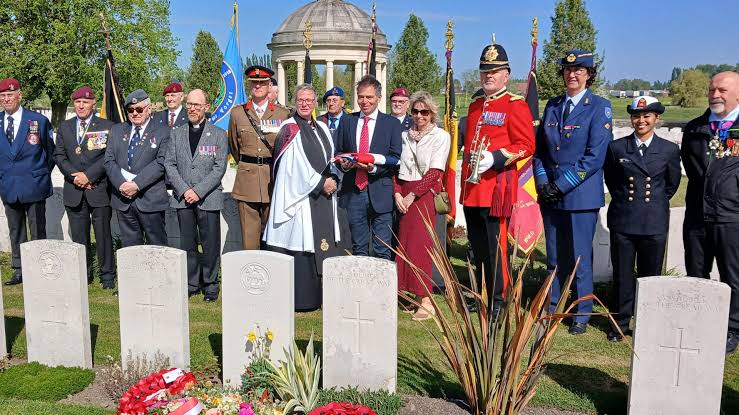
Australia’s defence officials said the remains were identified as Second Lieutenant Duncan McKenzie and Private Roy Martin, both of the Australian Army, following detailed forensic and historical investigations.
The identification process involved cross-referencing military records, battlefield data, and modern forensic techniques—part of ongoing global efforts to account for soldiers previously listed as missing in action. Officials described the breakthrough as a significant step in restoring dignity to fallen troops and providing long-awaited closure for descendants.
Many soldiers who died during the war were buried in unmarked graves or listed among the missing due to the scale and intensity of fighting, particularly on the Western Front in Europe.
Authorities noted that efforts to identify unknown soldiers are still ongoing worldwide, with new discoveries continuing to emerge through advances in DNA analysis and archival research. Each identification allows for proper commemoration, often replacing “unknown soldier” markers with named graves.
The latest development underscores how, even more than 100 years later, the legacy of World War I continues to unfold—bridging history, science, and remembrance for families and nations alike.
