


Colombia President Orders Deportation of Irregular Migrants Involved in Crime
Colombian President Gustavo Petro has ordered authorities to strengthen the deportation of foreigners living in the country illegally, particularly those involved in criminal activities, as his government steps up efforts to address security and migration concerns.
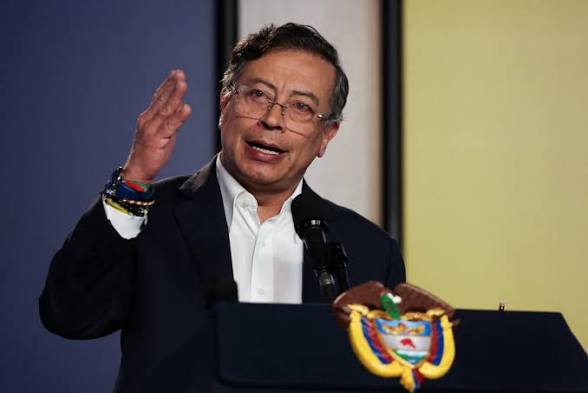
Petro’s administration has increasingly linked irregular migration with the need for stronger identity checks, border controls and enforcement against foreigners accused of criminal offences.
The president has previously taken a more humanitarian approach to migration, particularly toward Venezuelans, who make up the largest migrant population in Colombia. The country has hosted more than 2.8 million Venezuelan migrants, making it one of the world’s largest destinations for people fleeing Venezuela’s economic and political crisis.
However, Petro has also faced growing domestic pressure over insecurity, particularly in major cities and border regions. His government has sought to distinguish between migrants who are legally residing in Colombia and foreigners who enter or remain in the country without the required documentation.
The latest measures are expected to focus on foreigners who commit crimes, violate immigration rules or pose security concerns, rather than amounting to a blanket expulsion of all undocumented migrants.
Colombia’s migration policy has significant regional implications because the country sits along one of the principal migration routes from South America toward Central and North America.
The Darién Gap, between Colombia and Panama, has also become a major transit corridor for migrants heading north. Hundreds of thousands of people have crossed the dangerous jungle route in recent years, although the number of crossings has fluctuated sharply.
Human-rights organisations have repeatedly urged governments in the region to enforce immigration laws while ensuring that migrants’ rights are protected and that deportations comply with international standards.
The Colombian government’s approach therefore faces a delicate balance between border enforcement, public security and protection of migrants, particularly Venezuelans who have established homes and livelihoods in the country.
