


Court Clears Ex-President Jonathan for 2027 Race, Awards ₦20m Costs
A Federal High Court in Abuja has affirmed the eligibility of former President Goodluck Jonathan to contest the 2027 presidential election, dismissing a suit challenging his qualification.
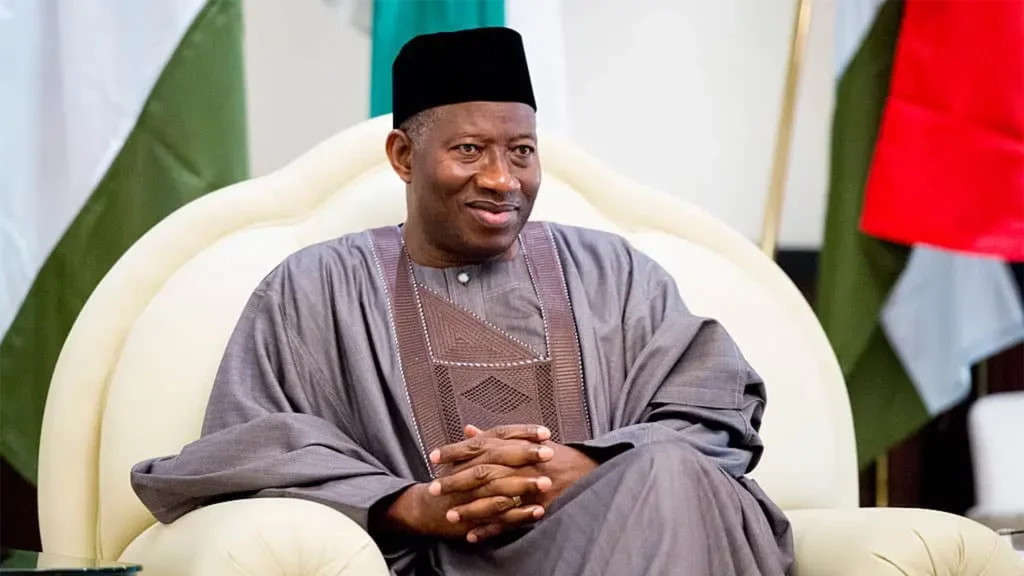
Delivering judgment, Justice Peter Lifu ruled that the case lacked merit and constituted an abuse of court process, noting that similar issues had already been decided by both the Federal High Court and the Court of Appeal in earlier cases that upheld Jonathan’s right to contest.
The court awarded ₦20 million in costs in favour of Jonathan and an additional ₦1 million to the Attorney General of the Federation and Minister of Justice. No cost was awarded to the Independent National Electoral Commission, as it did not file any response in the case.
Earlier in the proceedings, the judge dismissed an application seeking his recusal, filed by the plaintiff, Johnmary Jideobi, who had alleged bias. The court also upheld preliminary objections from Jonathan’s legal team, ruling that the plaintiff lacked locus standi, having failed to demonstrate any personal harm.
The suit had asked the court to interpret provisions of the 1999 Constitution—particularly Section 137(3)—to determine whether Jonathan, who assumed office in 2010 following the death of President Umaru Musa Yar’Adua and later won election in 2011, had exhausted the constitutional limit of two terms.
Jonathan’s counsel, Chris Uche (SAN), argued that the constitutional amendment restricting multiple oaths of office cannot be applied retroactively. He maintained that the former president remains constitutionally eligible to seek office, describing the suit as an attempt to use litigation for political exclusion.
The Ministry of Justice supported the objection, urging the court to dismiss the case, while counsel to the plaintiff argued that the matter raised constitutional questions that warranted judicial determination.
The ruling is expected to reignite political debate ahead of the 2027 elections, particularly around term limits and constitutional interpretation in Nigeria’s evolving democratic landscape.
