


Domestic Crude Supply to Nigerian Refineries Rises Sharply in Q2 as Dangote Takes Largest Share
Domestic crude oil supplies to Nigerian refineries increased significantly in the second quarter of 2026, strengthening the Federal Government’s efforts to ensure that the country’s expanding refining capacity is supplied with locally produced crude.
Data from the Nigerian Upstream Petroleum Regulatory Commission (NUPRC) showed that oil producers offered about 58.8 million barrels of crude to domestic refineries in the second quarter, exceeding the 55.1 million barrels allocated under the government’s Domestic Crude Supply Obligation (DCSO) framework.
The improvement follows a difficult first quarter, when domestic refineries received only 28.5 million barrels, despite an allocation of 61.9 million barrels. Producers had offered 68.7 million barrels during the period, but actual deliveries were constrained largely by pricing disagreements between crude producers and refiners.
The DCSO was established under Nigeria’s Petroleum Industry Act to require crude producers to make supplies available to domestic refineries, supporting the government’s strategy of reducing dependence on imported petroleum products and retaining more value from Nigeria’s oil resources within the country.
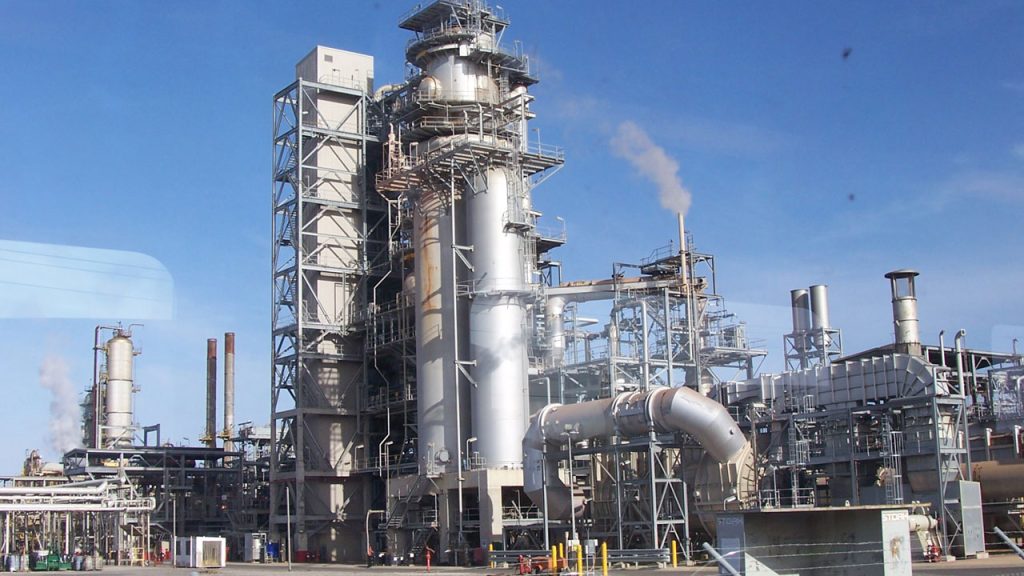
The Dangote Petroleum Refinery, Africa’s largest refinery, received the largest share of domestic crude supplied under the framework as its production capacity continued to expand. The facility has become increasingly important to Nigeria’s ambition to become self-sufficient in refined petroleum products and eventually increase exports to other African markets.
However, domestic crude availability remains a major challenge. In May, Nigerian refineries collectively received about 15.84 million barrels of locally sourced crude, down from 17.96 million barrels in April, according to NMDPRA data.
The supply challenge has been particularly significant for Dangote, whose enormous refining capacity requires substantial and reliable crude volumes. The refinery has at times turned to imported crude to supplement domestic supplies, highlighting the gap between Nigeria’s large oil production potential and the amount of crude actually available to local processors.
The improvement in Q2 supply nevertheless represents progress for Nigeria’s refining sector. Increased domestic crude deliveries could allow local refineries to operate more consistently, reduce the country’s exposure to imported fuel and strengthen Nigeria’s position as a regional supplier of refined petroleum products.
The Federal Government is continuing to refine the DCSO system, while the NUPRC has said it is working to improve transparency and address the pricing and commercial issues that have previously prevented allocated crude from reaching domestic refineries.
For Nigeria, the success of the framework will ultimately depend not only on how much crude is allocated or offered, but on whether producers can consistently deliver sufficient volumes at commercially workable prices to the country’s growing refining industry.
