


DR Congo, M23 Rebels Agree on Roadmap for Peace Talks
The Democratic Republic of Congo’s government and the AFC/M23 rebel alliance have agreed on a roadmap setting out steps and timelines for renewed negotiations aimed at ending the long-running conflict in the country’s mineral-rich east.
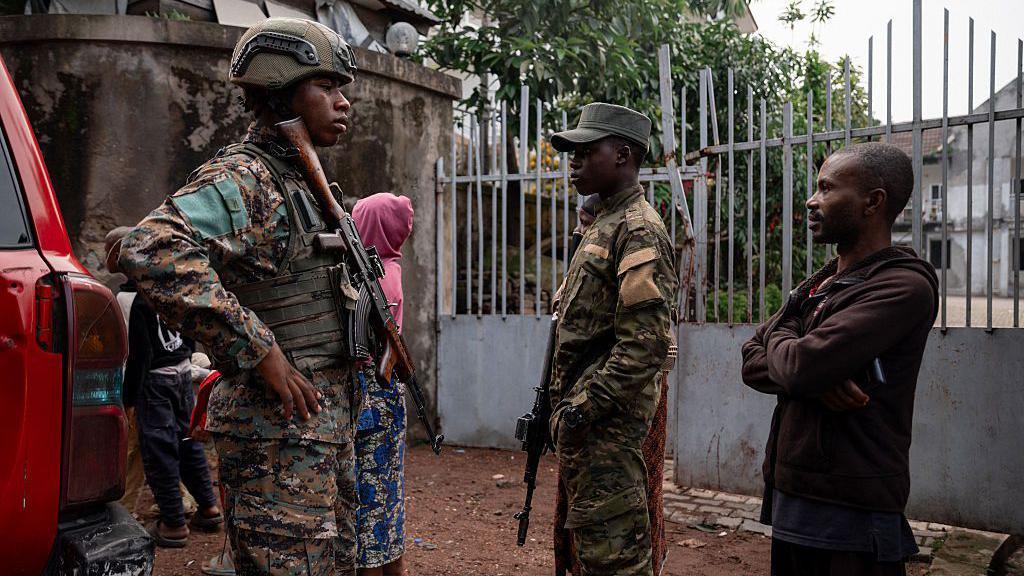
The agreement followed five days of closed-door meetings in Switzerland from August 17 to 21, involving representatives of the Congolese government and AFC/M23, as well as mediators and facilitators from Qatar, the United States, Togo, the African Union Commission and Switzerland.
Under the agreement, the two sides will continue negotiations within the framework of the Doha Framework Agreement, signed in November 2025, with the stated objective of achieving a comprehensive peace settlement.
The parties agreed to establish a mechanism to review progress and address difficulties in implementing their commitments. They also agreed on a standardised system for reporting alleged violations of the ceasefire.
A significant element of the latest agreement is the planned deployment of a ceasefire verification mission to Minembwe in South Kivu province.
The first mission is scheduled for August 24, following a reconnaissance mission carried out on August 20 with logistical support from the United Nations peacekeeping mission, MONUSCO.
The monitoring mechanism is intended to provide a more structured way of documenting and addressing violations, an important step given that fighting has continued despite previous ceasefire commitments.
The agreement represents a new diplomatic opening, but it does not yet amount to a final peace deal.
The eastern DRC has experienced decades of conflict involving numerous armed groups, with the M23 becoming one of the most powerful in recent years. The group seized large areas of territory, including the major cities of Goma and Bukavu, during its 2025 offensive.
The United Nations, the Congolese government and other international actors have accused Rwanda of supporting M23, allegations Kigali has repeatedly denied.
Meanwhile, fighting and accusations of ceasefire violations have continued even as negotiations have progressed.
The latest roadmap does not resolve some of the most contentious issues between Kinshasa and M23.
These include the implementation of sanctions, the treatment and release of detainees, political reforms and broader security arrangements in eastern Congo.
The parties nevertheless said they would maintain “flexibility and creativity” within the existing Doha framework and stressed that the order in which remaining protocols are negotiated will not necessarily determine the order in which they are implemented.
The conflict has caused a major humanitarian crisis, with thousands killed and millions displaced over the years. Continued instability has also disrupted communities and increased pressure on humanitarian organisations operating in the region.
For now, the new roadmap provides a framework for moving stalled negotiations forward. Its success will largely depend on whether both sides can translate the diplomatic commitments into a sustained ceasefire and, ultimately, an agreement addressing the political and security roots of the conflict.
