


ECOWAS Sets 2027 ECO Launch Target as West Africa Moves Toward Single Currency
The Economic Community of West African States (ECOWAS) has reaffirmed its plan to launch the ECO, its proposed single regional currency, in 2027, but the currency will not automatically replace national currencies across the bloc on a single date.
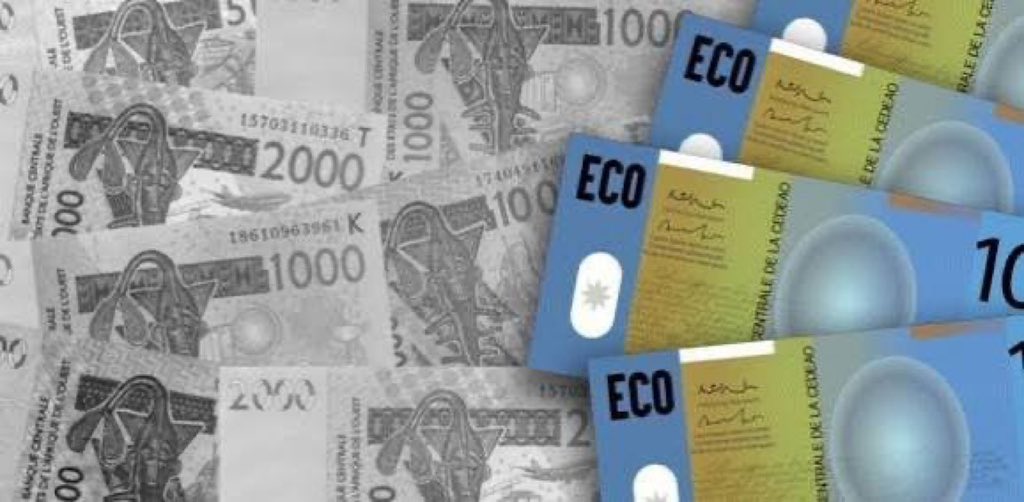
The decision was endorsed by ECOWAS leaders at their 69th Ordinary Session in Lungi, Sierra Leone, on July 19, where they agreed that countries meeting the bloc’s economic convergence requirements would be able to join the first phase of the monetary union. Other countries would enter later as they satisfy the conditions.
The proposed currency is intended to deepen economic integration, make cross-border trade easier and reduce the costs associated with exchanging multiple West African currencies.
For Nigeria, however, the announcement does not mean the naira will disappear in 2027. There has been no official directive from the Central Bank of Nigeria or the Federal Government announcing an immediate replacement of the naira with the ECO. Nigerian fact-checkers have also debunked social-media claims suggesting that the naira will automatically cease to be legal tender next year.
The phased approach reflects one of the biggest obstacles that has delayed the ECO project for more than two decades: economic differences among member states.
Countries seeking to join the first phase must meet agreed convergence benchmarks, including single-digit inflation, a budget deficit of no more than 4% of GDP, limits on central-bank financing of government deficits and foreign-exchange reserves equivalent to at least three months of imports. Additional criteria cover tax revenue, public debt, exchange-rate stability and fiscal discipline.
ECOWAS has also been working on the institutional framework required to operate a common currency. Leaders directed the ECOWAS Commission and the West African Monetary Agency to intensify consultations with central-bank governors and resolve outstanding technical issues ahead of the bloc’s December 2026 summit. Guinea has also been admitted to the Presidential Task Force overseeing the single-currency programme.
The project faces a significantly different political landscape from when it was first conceived. Burkina Faso, Mali and Niger have withdrawn from ECOWAS, creating additional complications for the bloc’s original vision of a region-wide monetary union. The three countries continue to use the CFA franc through the West African Economic and Monetary Union, while ECOWAS develops its own currency framework.
ECOWAS has nevertheless registered the ECO name with the African Intellectual Property Organization and is seeking additional trademark protection, another step towards formalising the project.
If successfully implemented, the ECO could potentially create a larger and more integrated West African financial market, facilitate trade and investment and reduce dependence on foreign currencies for regional transactions.
But the 2027 target remains conditional. The region must still resolve outstanding monetary-policy, exchange-rate and institutional questions and ensure that participating economies can maintain the discipline required to sustain a common currency.
