


El Niño Could Push 49 Million More People Into Acute Hunger by End of 2027, WFP Warns
A powerful El Niño weather event could push nearly 49 million additional people into acute food insecurity across some of the world’s most vulnerable regions by the end of 2027, the United Nations World Food Programme (WFP) warned on Wednesday, urging the international community to act before the crisis deepens.
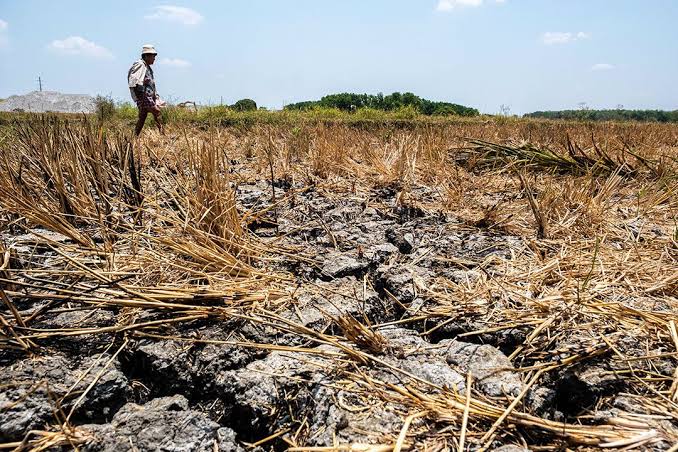
The UN agency said El Niño-induced extreme weather—including droughts, floods and erratic rainfall—is expected to severely disrupt agricultural production, reduce household incomes and intensify humanitarian needs in countries already grappling with conflict, economic instability and climate shocks. The warning was issued in a new WFP analysis assessing the likely impact of the global weather phenomenon.
According to the WFP, the greatest impact is expected in parts of Southern Africa, Eastern Africa, Central America and the Caribbean, where millions of people rely on rain-fed agriculture and remain highly vulnerable to climate-related disruptions. The agency said many of the affected countries are already experiencing food shortages, making them less resilient to another major climate shock.
The organisation warned that without early humanitarian intervention, worsening weather conditions could lead to widespread crop failures, livestock losses, rising food prices and increased malnutrition. It called on governments and international donors to scale up funding for emergency food assistance, climate adaptation programmes and early warning systems to mitigate the impact on vulnerable communities.
El Niño is a naturally occurring climate pattern associated with warmer-than-average sea surface temperatures in the central and eastern Pacific Ocean. The phenomenon often triggers droughts in some regions and heavy rainfall and flooding in others, with significant consequences for food production, water resources and public health.
The latest warning comes as global hunger remains at historically high levels. According to UN estimates, more than 343 million people are currently experiencing acute food insecurity worldwide due to a combination of armed conflict, economic pressures and climate change. The WFP said the projected El Niño impacts threaten to reverse recent gains in food security unless urgent preventive measures are implemented.
