


Fiji Declares National HIV Emergency as Cases Surge
Fiji has declared a national HIV emergency following a sharp rise in infections, with authorities expanding testing, treatment and prevention services across the Pacific island nation.
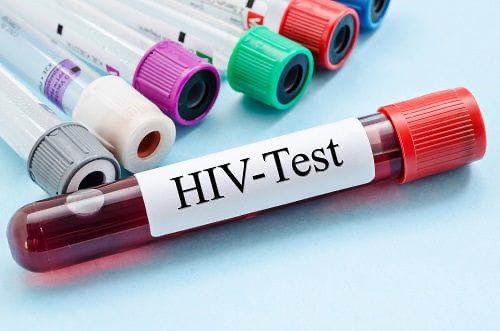
Health Minister Ratu Atonio Lalabalavu said an outbreak-level response was no longer sufficient, as an estimated one in 60 adults in Fiji is now living with HIV, compared with one in 167 five years ago.
The country recorded 2,016 new HIV diagnoses in 2025, the highest annual figure since surveillance began. The government estimates that about 9,100 people were living with HIV last year, but only 39% knew their status and 22% were receiving antiretroviral treatment.
The crisis is also affecting pregnant women and children. Authorities estimate that about one in 50 pregnant women has HIV, while 59 babies were born with HIV in 2025, with 18 dying before their first birthday.
UNAIDS said more than half of cases with a known transmission route were linked to sexual transmission, while more than 42% were associated with injecting drug use. The agency said new HIV infections in Fiji increased twelvefold between 2010 and 2025.
The government plans to expand free and confidential HIV testing, treatment and prevention medicines, including pre-exposure prophylaxis (PrEP). It also plans to introduce needle-and-syringe services for people who inject drugs and improve follow-up care for those diagnosed with HIV.
A five-member Cabinet subcommittee has been established to address barriers to the national response, while authorities are urging communities to reduce stigma and protect the privacy and rights of people living with HIV.
UNAIDS welcomed the emergency declaration, saying Fiji had recognised the urgency of the situation and was taking steps to strengthen its response.
