


Google’s $15bn Data Centre Project in India Faces Environmental Opposition
Construction of Google’s planned $15 billion data centre hub in India is progressing, but the project is encountering growing resistance from environmental groups and local activists concerned about its potential impact on water resources and wildlife.
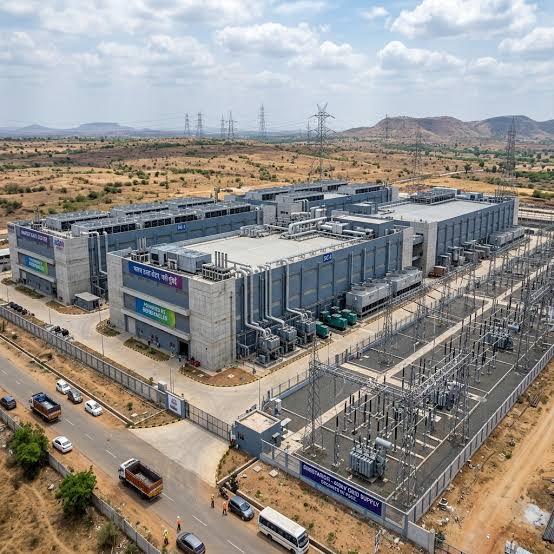
The facility, located in Visakhapatnam in Andhra Pradesh, represents one of Google’s largest investments in the country. However, critics argue that the development could worsen existing water shortages in the region and pose risks to nearby ecosystems, including a protected wildlife area.
Residents and advocacy groups have staged demonstrations in recent weeks, raising concerns about the amount of water required to operate large-scale data centres and the possible strain on already limited supply. The city is known to face periodic water shortages, with demand exceeding available resources.
Legal challenges have also been filed, prompting judicial review of the project’s environmental implications. A hearing is scheduled later this month as campaigners seek closer scrutiny of approvals granted for the development.
State authorities have rejected claims that due process was overlooked, maintaining that the project complies with regulatory requirements. Officials say the development will not draw from essential public water supplies and have indicated willingness to address legitimate concerns raised by stakeholders.
Google has similarly stated that the project will adhere to all applicable laws and incorporate measures to reduce environmental impact, including the use of advanced cooling technologies designed to limit water consumption and control noise levels.
The project is being developed in partnership with a major Indian conglomerate and is expected to generate significant employment opportunities. Despite this, opposition continues to build, highlighting the broader global debate over the environmental footprint of large data infrastructure projects.
