


Government Raises Security Concerns Over Planned WhatsApp Username Feature
The Somali government has expressed concern over a proposed WhatsApp feature that would allow users to communicate using usernames instead of phone numbers, warning that it could pose challenges for national security and law enforcement efforts. Officials say the change may make it more difficult to identify and track individuals involved in criminal activities in a country that continues to face threats from extremist groups.
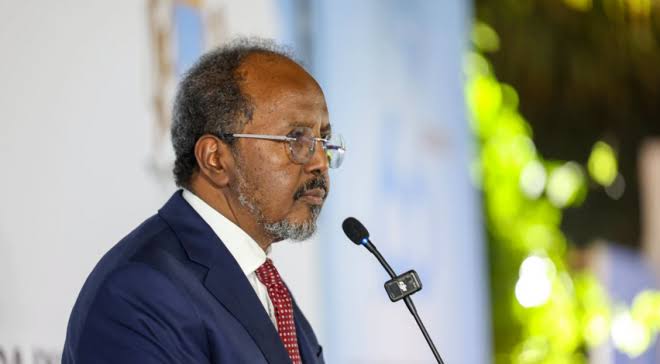
Somalia’s Minister of Communications and Technology, Ahmed Osman Dirie, indicated that authorities are engaging with Meta, the parent company of WhatsApp, to address these concerns before the feature is introduced. While the platform has clarified that the update is not yet available and that phone numbers will still be required to register accounts, the government remains cautious about its potential implications.
Authorities argue that Somalia’s reliance on mobile-based systems, particularly for financial transactions, makes traceability an important tool in combating fraud and other cyber-related crimes. They also note that militant groups such as al-Shabab have previously used messaging platforms for coordination, propaganda and extortion, raising fears that reduced identity verification could be exploited.
The concerns in Somalia reflect a broader debate about balancing user privacy with public safety. Similar reservations have been raised in other countries, including India, where officials have warned that anonymous-style identifiers could increase risks of impersonation and online scams.
Technology analysts suggest that the feature is intended to enhance user privacy and align WhatsApp with other social platforms that allow identity separation from phone numbers. However, they acknowledge that regulators may require assurances on how such systems can still support investigations and prevent abuse.
Discussions between Somali authorities and Meta are ongoing, with the government seeking clarity on safeguards that would ensure accountability and prevent the misuse of the platform if the feature is eventually rolled out.
