


Guinea-Bissau Approves Controversial US-Backed Hepatitis B Vaccine Trial on Newborns
Authorities in Guinea-Bissau have approved a controversial United States-backed clinical trial involving 14,000 newborns, despite concerns from international health experts over plans to delay hepatitis B vaccination for half of the participating infants.
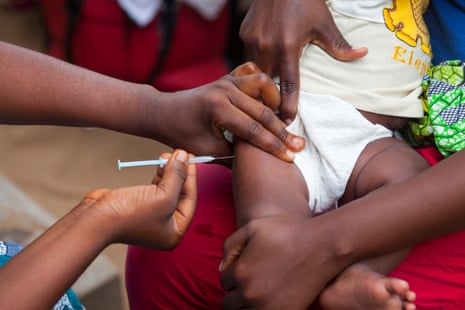
The trial, led by Danish researchers, received approval from an ethics committee at the University of Southern Denmark and officials in Guinea-Bissau last week, according to The Guardian.
Under the proposed study, half of the babies will receive the hepatitis B vaccine at birth, while the other half will not receive it until six weeks of age. Researchers intend to compare health outcomes, including mortality and developmental conditions, between the two groups.
The US Centers for Disease Control and Prevention reportedly allocated $1.6 million for the project, with additional funding expected from private foundations. US Health Secretary Robert F. Kennedy Jr has publicly praised the researchers behind the study.
However, the plan has drawn strong criticism from public health experts who argue that withholding a proven vaccine exposes newborns to avoidable risks, particularly in Guinea-Bissau, where hepatitis B is prevalent.
The World Health Organization recommends administering the hepatitis B birth dose within 24 hours to protect infants against infection, which can lead to chronic liver disease, cirrhosis and liver cancer.
The updated trial protocol reportedly includes testing mothers for hepatitis B before delivery. Babies whose mothers test positive would receive the vaccine and would not participate in the trial. Critics, however, warn that false-negative results and transmission from other sources could still expose unvaccinated infants to infection.
The approval marks a renewed push for the study after it was suspended earlier this year amid international criticism and calls for further ethical review. Several members of the Danish ethics committee reportedly resigned in protest over the decision to proceed.
The controversy has also renewed debate over medical research in lower-income countries, particularly whether vulnerable populations are being exposed to risks that would be unacceptable in wealthier nations.
The Africa Centres for Disease Control and Prevention has expressed opposition to the trial, while the WHO has raised concerns about its scientific justification and ethical safeguards.
