


Jamaica Files Landmark Petition Seeking Legal Answers From Britain Over Slavery
Jamaica has launched an unprecedented legal challenge over Britain’s role in the transatlantic slave trade and the enslavement of Africans on the island, asking King Charles III to refer questions about the legality of slavery and Britain’s responsibility for reparations to the Judicial Committee of the Privy Council.
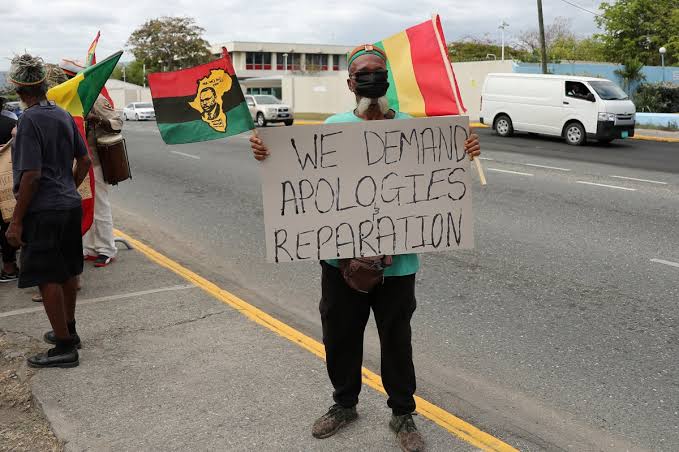
Jamaica’s Culture Minister Olivia Grange filed the petition in London on Monday, September 7, saying the government wants legal answers before deciding its next steps. The Jamaican government stressed that the petition is not itself a demand for payment, but seeks to establish whether a legal obligation to provide reparatory remedies exists.
The petition asks three key questions: whether the seizure, transportation and enslavement of Africans in Jamaica were lawful under English law; whether the practices breached international law; and whether the United Kingdom has a legal obligation to provide a reparatory remedy to the Jamaican people.
The case is being pursued through the Privy Council under a legal mechanism dating back to 1833, the year Britain passed legislation abolishing slavery in most of its empire. The Judicial Committee serves as a final court of appeal for Jamaica and several other Commonwealth jurisdictions.
The timing of the petition is also significant. It coincides with the anniversary of the Zong massacre of 1781, when crew members of the Liverpool-registered slave ship Zong threw 132 enslaved Africans overboard after the vessel ran short of water. The case later became an important part of Britain’s abolitionist movement.
Jamaica says the consequences of slavery extend beyond its historical period, arguing that the system left lasting economic and social disadvantages affecting areas including education, healthcare and the country’s ability to respond to modern challenges.
The initiative also comes amid growing international calls for reparatory justice. Jamaica estimates that it is owed billions of dollars, while the British government has repeatedly rejected demands for slavery reparations, arguing that historical actions should be assessed according to the laws that existed at the time.
King Charles’ role in the process is largely constitutional. Buckingham Palace has confirmed that it understands Jamaica is seeking to have the petition considered, but the King does not personally determine the substance of the legal claim.
