


Jehovah’s Witnesses Ease Blood Policy, Leave Key Decisions to Members
The Governing Body of Jehovah’s Witnesses has announced a major adjustment to the organisation’s longstanding position on blood, allowing individual members to decide whether to accept or donate the four main components of blood based on personal conscience.
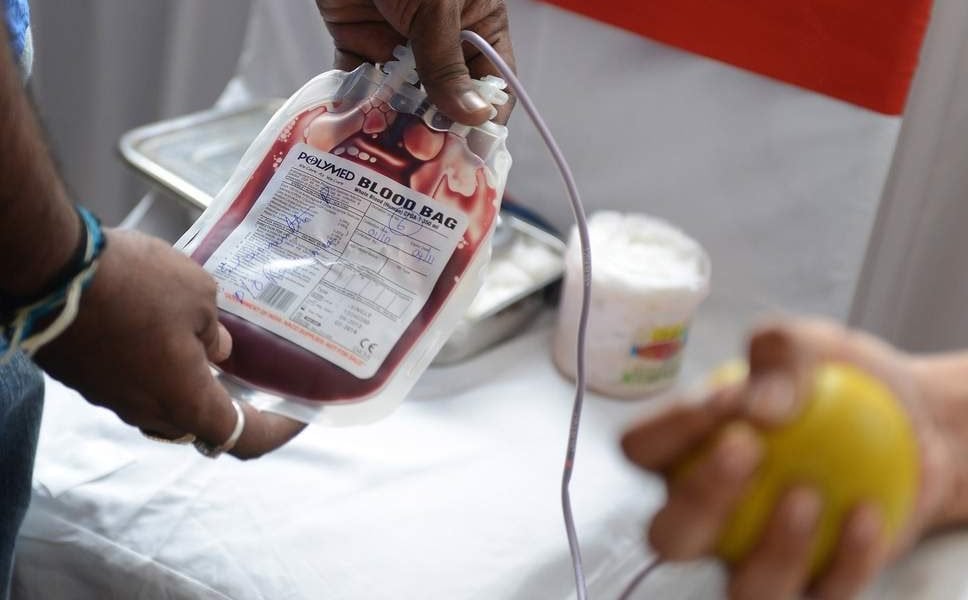
Under the revised guidance, members may decide whether to accept red blood cells, white blood cells, plasma or platelets from another person’s blood during medical or surgical treatment. They may also decide whether to donate blood specifically for the production of these components or blood fractions for another person.
The announcement was made on September 18, 2026, by the organisation’s Governing Body at its World Headquarters in Warwick, New York.
Jehovah’s Witnesses said the change follows earlier adjustments concerning blood fractions and the use of a person’s own blood during medical procedures. The organisation said the Bible does not specifically address the use of the four primary blood components in medical treatment and therefore considers the decision a matter of individual conscience.
However, the organisation stressed that its longstanding refusal of whole-blood transfusions remains unchanged.
“Blood remains sacred to Jehovah’s Witnesses,” said Paul Gillies, an international spokesman for the organisation. He added that medical decisions involving blood components are now matters of conscience between individual Witnesses and their God.
The organisation also said local congregations will not intervene in members’ personal decisions concerning blood components, but will respect and support those choices.
The announcement represents a significant change from previous guidance, under which Jehovah’s Witnesses were instructed to reject transfusions involving the four main components of blood, while individual decisions were already permitted regarding some blood-derived fractions.
Jehovah’s Witnesses say they have more than nine million members worldwide across more than 200 countries and territories.
