


Lafarge Ex-CEO Jailed 6 Years Over Terror Financing in Syria
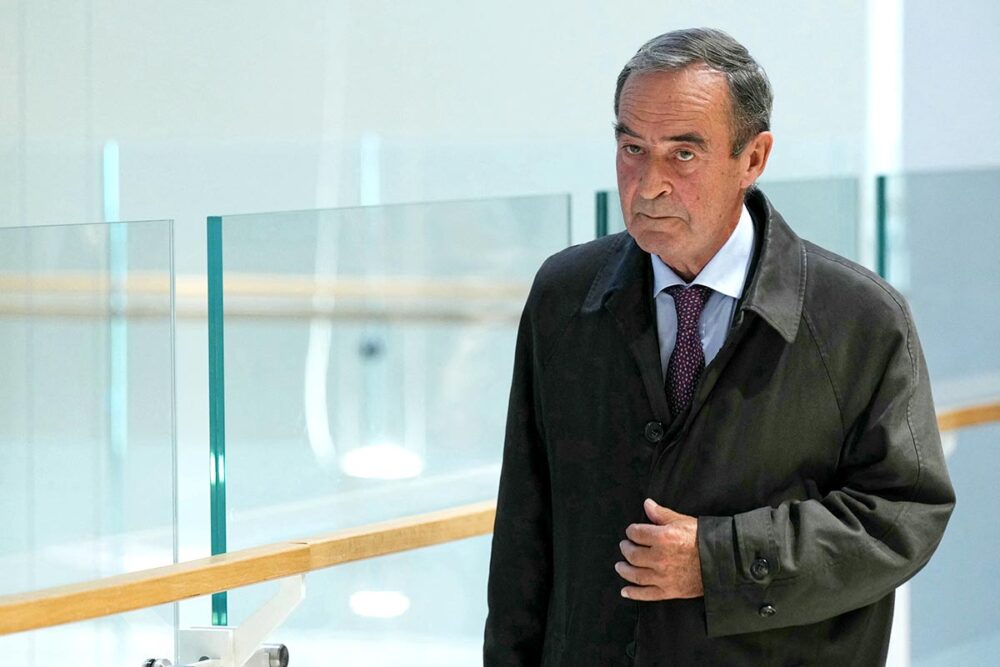
A French court has sentenced former Lafarge CEO Bruno Lafont to six years in prison for financing terrorist groups during the Syrian civil war, in a landmark ruling that is reverberating globally as countries tighten scrutiny on terror financing networks.
The court found that Lafarge paid about €5.6 million ($6.5 million) to armed groups, including ISIS and the al-Nusra Front, between 2013 and 2014 to maintain operations at its cement plant in northern Syria.
Judges described the arrangement as a form of “commercial partnership” with extremist groups, enabling them to sustain operations while the company protected its business interests in a conflict zone.
The case marks the first time a company has been convicted in France for financing terrorism, with several other former executives also receiving prison sentences and the company fined.
The ruling comes at a time when countries like Nigeria are intensifying efforts to clamp down on terrorism financing amid a prolonged insurgency in parts of the country. Nigerian authorities have recently expanded surveillance on financial flows linked to extremist groups, targeting both local and international funding channels.
Security analysts say the Lafarge case underscores the growing global focus on corporate accountability in terror financing, a concern that resonates strongly in Nigeria where armed groups rely on complex funding networks involving ransom payments, illicit trade, and external support.
Experts warn that as Nigeria strengthens its counter-terror financing framework, cases like Lafarge’s highlight the risks of private sector complicity—whether deliberate or indirect—in sustaining violent groups.
The judgment is expected to influence regulatory approaches worldwide, including in Africa, where governments are under increasing pressure to track and disrupt financial pipelines that fuel insecurity.
