


Lagos Bars New Diesel Buses, Targets Electric Public Transport
Lagos State has stopped accepting new diesel-powered buses into its regulated public transport system, as the government begins a gradual transition towards compressed natural gas (CNG) and electric vehicles.
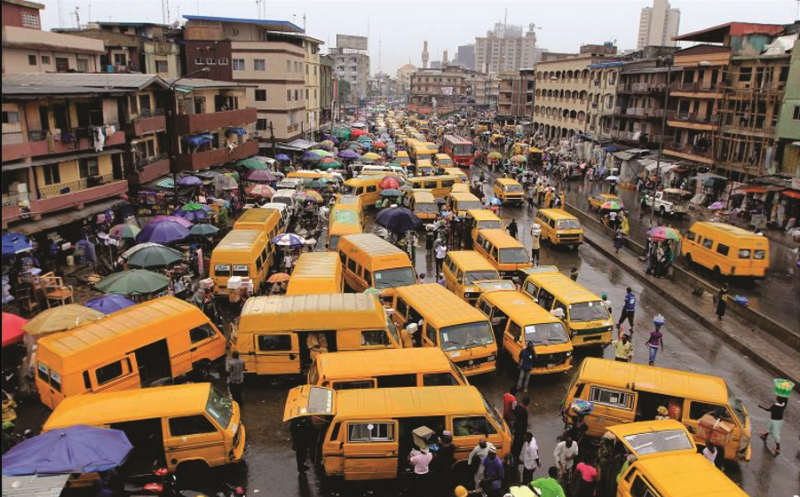
The Lagos Metropolitan Area Transport Authority (LAMATA) said the policy took effect at the beginning of 2026. Managing Director Abimbola Akinajo said operators introducing new buses into the regulated network must now use either CNG or electric vehicles, while existing diesel buses will be progressively replaced.
The announcement came as Lagos received 20 additional high-capacity CNG buses under the Presidential Initiative on CNG and Electric Vehicles. The federal initiative separately confirmed the deployment of 35 additional buses to Lagos — 15 CNG and 20 electric — to expand the LAMATA network.
Akinajo said the transition is driven both by environmental concerns and rising operating costs. Diesel prices, according to LAMATA, have risen from about ₦950 per litre to between ₦1,950 and ₦2,100, increasing the cost of running conventional buses. The authority says cheaper CNG and electric alternatives are helping operators contain costs and avoid additional pressure on regulated fares.
LAMATA currently has about 150 CNG buses, alongside high- and medium-capacity electric buses. The long-term objective is for the regulated system to move entirely to electric propulsion, while Lagos maintains its broader commitment to achieving net-zero emissions by 2050.
The shift raises a practical question for Africa’s largest urban transport market: can Lagos expand charging and refuelling infrastructure quickly enough to make cleaner buses reliable and affordable for millions of daily commuters?
