


Mali Jails Junta Critics for Seven Years, Raising Fresh Press Freedom Concerns
A Malian appeals court has sentenced prominent broadcaster Mohamed Youssouf Bathily, popularly known as Ras Bath, and social media influencer Rokia Doumbia to seven years in prison after finding them guilty of offences including criminal conspiracy and discrediting the state.
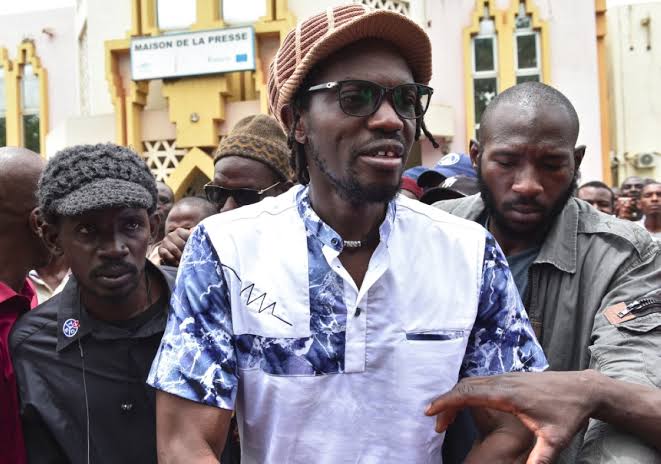
The Bamako Court of Appeal’s criminal chamber handed down the sentences on Monday, according to an AFP journalist who witnessed the proceedings. The pair were also given an additional three-year suspended prison sentence.
The case has drawn renewed attention to the shrinking space for criticism of Mali’s military authorities, who have been in power since the country’s political upheaval and subsequent military takeover.
Ras Bath is a well-known Malian broadcaster and commentator who has been openly critical of the military government led by General Assimi Goïta. Doumbia has also built a substantial following through social media, where she has criticised the authorities.
Their convictions come amid a broader crackdown on journalists, activists and political opponents.
Human Rights Watch said Mali’s military authorities have increasingly used arrests, prosecutions and restrictions on media outlets to suppress dissent. In June, the country’s media regulator suspended the popular Allô Klédu radio call-in programme for two months after callers criticised the government over insecurity, fuel shortages and electricity problems.
The crackdown has also affected journalists working for traditional media. Two journalists, Chahana Takiou and Abdramane Keïta, were detained in June over remarks authorities considered threatening to national security or damaging to the state’s credibility. Keïta’s trial was scheduled for August 17.
Another content creator, Djibril Sangaré, known as Djiby Barry, was placed in pre-trial detention in July after publishing videos criticising the performance of Mali’s military-led transition and questioning Goïta’s electoral legitimacy.
The latest convictions come against the backdrop of a broader transformation of Mali’s political system.
The military junta has dissolved political parties and extended Goïta’s rule, while authorities have increasingly restricted political opposition and independent civic activity. Human Rights Watch says the measures have significantly narrowed civic space and freedom of expression in the country.
The government maintains that restrictions are necessary to protect national security and prevent the spread of false information while Mali faces a prolonged jihadist insurgency.
But rights organisations argue that laws intended to combat misinformation and protect state security are increasingly being used to criminalise legitimate criticism of the authorities.
Mali is not alone in experiencing tighter restrictions under military rule. Neighbouring Burkina Faso and Niger, which are also governed by military regimes, have similarly imposed restrictions on political opposition and parts of the media.
The three countries have also withdrawn from ECOWAS and formed the Alliance of Sahel States, presenting themselves as an alternative regional bloc while pursuing greater independence from Western powers.
For critics, however, the imprisonment of prominent voices such as Ras Bath and Rokia Doumbia illustrates the growing tension between the juntas’ claims of defending national sovereignty and their treatment of dissent.
