


First 20 US Deportees Arrive in Liberia Under 1,200-Person Deal
Liberia has received the first 20 foreigners deported from the United States under an agreement allowing Washington to send up to 1,200 third-country nationals to the West African country over the next year.
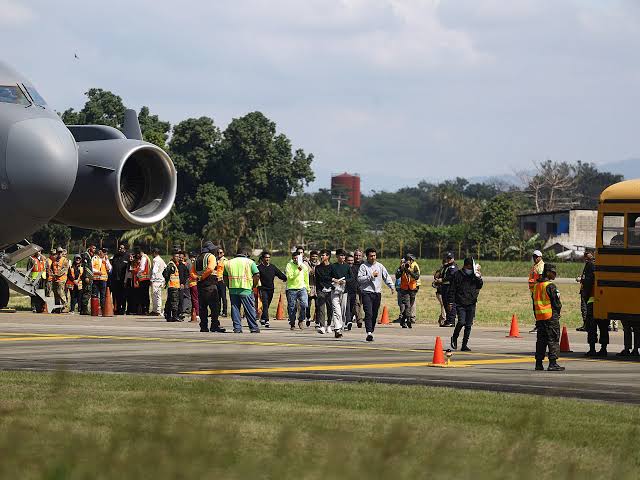
The group arrived at Roberts International Airport near Monrovia on Thursday, August 20, marking the start of a controversial arrangement that forms part of the Trump administration’s broader effort to expand deportations of migrants who cannot be easily returned to their countries of origin.
The 20 deportees are not Liberian citizens. According to Liberian officials, they include nationals from countries across Africa, North America, South America and the Caribbean, with Venezuelans and Cubans among those transferred to Liberia.
Liberia’s Information Minister Jerolinmek Piah said most of the deportees are expected to come from Latin American countries, including Venezuela, Cuba and Colombia.
The first arrival follows an agreement announced earlier this week under which Liberia will accept as many as 1,200 deportees over a 12-month period.
The arrangement is based on diplomatic understandings between Liberia and the United States. Liberian officials say those transferred will be treated as temporary guests and will receive assistance through arrangements involving international organisations, including the International Organization for Migration (IOM) and the UN refugee agency.
Some of the deportees may be allowed to seek asylum or other forms of legal protection in Liberia, while others could eventually leave the country if they secure alternative destinations.
The first 20 therefore represent only a small fraction of the potential total. If the agreement reaches its full capacity, Liberia could receive an average of about 100 deportees a month over the year.
The deal is part of President Donald Trump’s intensified immigration crackdown, which has sought to increase the number of migrants removed from the United States.
Washington has increasingly explored arrangements with countries willing to accept migrants who are not their own nationals, particularly where direct deportation to the person’s country of origin is difficult.
Liberia joins a growing number of countries that have entered into such arrangements with the United States, although the scale and terms differ.
The policy has attracted criticism from human-rights organisations, which have raised concerns about transferring migrants to countries with which they have no established connection. Critics have also questioned whether deportees could subsequently be sent to countries where they may face persecution, violence or other serious risks.
Liberian authorities have presented the agreement as part of their country’s longstanding relationship with the United States and said appropriate arrangements are being made to receive those transferred.
