


Cameroon’s Paul Biya Returns Home After Record 73-Day Absence
President Paul Biya returned to Cameroon on Thursday after spending 73 days abroad, ending the longest recorded absence of his more than four-decade presidency and bringing an end, at least temporarily, to intense speculation over his health and ability to govern.
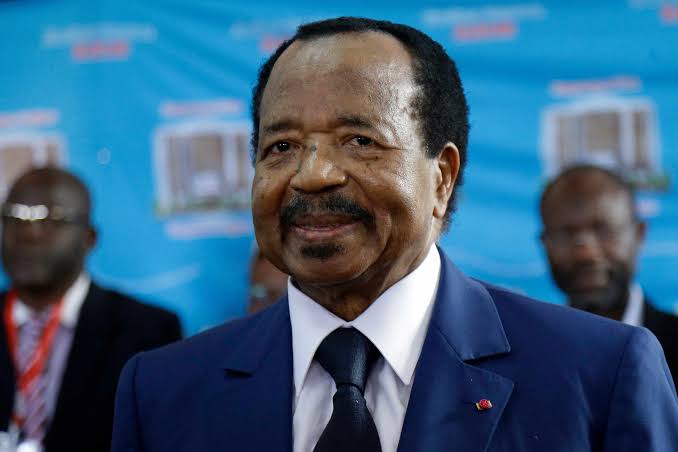
The 93-year-old president arrived at Yaoundé’s Nsimalen International Airport from Geneva, Switzerland, where he had been staying since leaving Cameroon on June 7. His office had initially described the trip as a “brief private stay in Europe.”
Biya landed at about 4:45 p.m. local time, accompanied by his wife, First Lady Chantal Biya, before travelling by motorcade to the Etoudi Unity Palace. Supporters of his ruling Cameroon People’s Democratic Movement (CPDM) gathered along the route and at the airport to welcome him.
The unusually long absence had fuelled widespread speculation about the president’s health, particularly because Biya had made no public appearances during the 73-day period.
Cameroonian authorities repeatedly rejected suggestions that the president was incapacitated. In June, government spokesman René Emmanuel Sadi denied reports that Biya had been hospitalised in Geneva. Officials also maintained that the government and state institutions continued to function normally during his absence.
The latest return does not, however, provide details about the president’s health or the reason for his prolonged stay in Switzerland.
Opposition figures called on the country’s Constitutional Council to examine whether his prolonged absence created an institutional vacuum and questioned who was effectively directing the country while he remained abroad. The council did not intervene.
The issue is particularly sensitive because Biya has not appointed a vice president, despite the reintroduction of the position in April. Under Cameroon’s constitutional arrangements, the president of the Senate would assume interim responsibilities if the presidency became vacant because of death, resignation or permanent incapacity.
Biya has governed Cameroon since 1982, making him one of the world’s longest-serving national leaders and, at 93, the oldest serving head of state. He began his eighth term in November 2025 after winning an election whose results were disputed by the opposition.
His long tenure has been marked by persistent political tensions, economic challenges and conflicts, including the Anglophone separatist crisis in the country’s northwest and southwest regions and the continuing threat posed by Boko Haram and related insurgent groups in the Far North.
