


Millions of Nigerians with Disabilities Face Systemic Barriers
More than 35 million people living with disabilities in Nigeria continue to face significant challenges in accessing essential services, as advocates warn that public systems often fail to account for their needs.
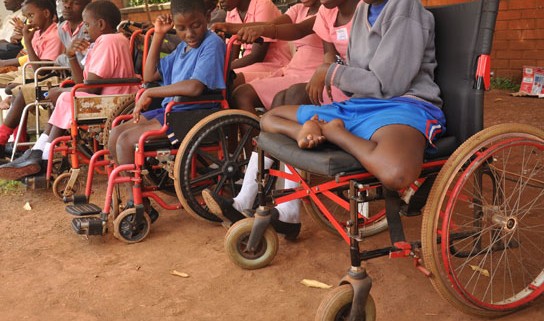
Across sectors such as education, healthcare, and employment, structural barriers persist. In many cases, institutions rely on processes—particularly digital and biometric systems—that do not accommodate individuals with physical impairments, leaving some unable to fully participate in everyday activities.
For instance, the growing use of fingerprint-based identification in schools, banking, and government services has raised concerns about exclusion, especially for individuals with limb differences or other conditions that make biometric verification difficult. Rights groups argue that alternative identification methods, including facial recognition, PINs, or manual verification, should be standard options.
Beyond technology, people with disabilities in Nigeria also contend with limited infrastructure, social stigma, and gaps in policy implementation. Although laws exist to protect their rights, enforcement remains inconsistent, and many public spaces and services are still not fully accessible.
Advocates are calling for a more inclusive approach to policy design—one that integrates accessibility from the outset rather than treating it as an afterthought. They say meaningful change will require stronger enforcement of disability rights laws, increased funding for inclusive infrastructure, and broader public awareness to address discrimination.
The issue highlights a wider need for systems that serve all citizens equally, ensuring that no group is excluded due to physical or societal barriers.
