


West African Workers Keep Morocco Farms Going
In Morocco’s rich farming areas, many farms are now relying heavily on workers from West Africa to keep food production steady as local labour becomes harder to find.
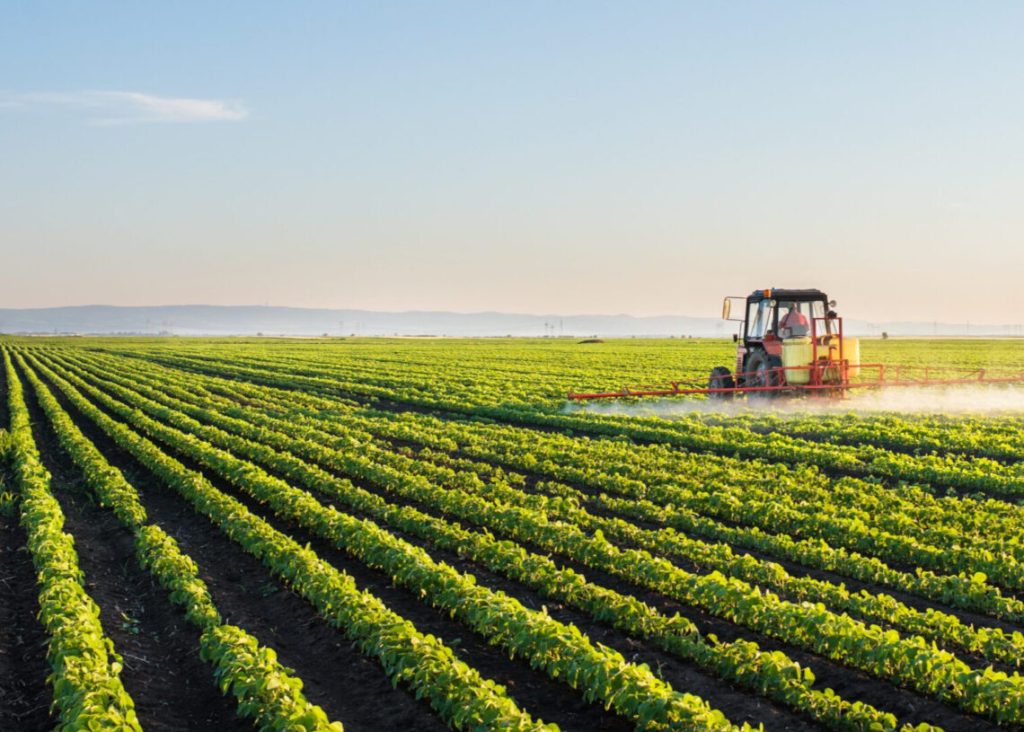
Across large greenhouse farms that produce fruits and vegetables for export, especially to Europe and other markets, migrant workers from countries like Togo and Senegal are taking on jobs that many Moroccan workers are no longer doing. These migrants often arrive with plans to move on to Europe but end up staying longer after finding steady work in agriculture.
At the same time, fewer Moroccans are working in farming. Many young people are leaving rural areas for cities in search of better paying jobs in construction, services, and other growing sectors. This shift has left a major gap in farm labour, especially in labour intensive crops like tomatoes, strawberries, and berries.
Farm owners say the shortage has changed how farms operate. Some now depend on migrant labour for daily harvesting and field work. Without this workforce, many farms say they would struggle to continue production or would be forced to reduce output.
The growing use of migrant labour is also changing migration patterns. Morocco is increasingly becoming a place where migrants settle and work rather than just pass through on the way to Europe. Some workers remain for years, building new lives while still holding plans to move onward in the future.
As Morocco expands its agriculture for export and continues to grow its cities, the demand for farm workers is expected to rise. For now, West African migrants remain a key part of keeping the country’s farms active and its food exports moving.
