


New Report Alleges Wider Human Rights Scandal at Shell Than Previously Reported
A coalition of human rights and environmental organisations, including Amnesty International, says it has uncovered evidence it believes raises serious questions about British oil giant Shell’s operations in Nigeria’s Niger Delta.
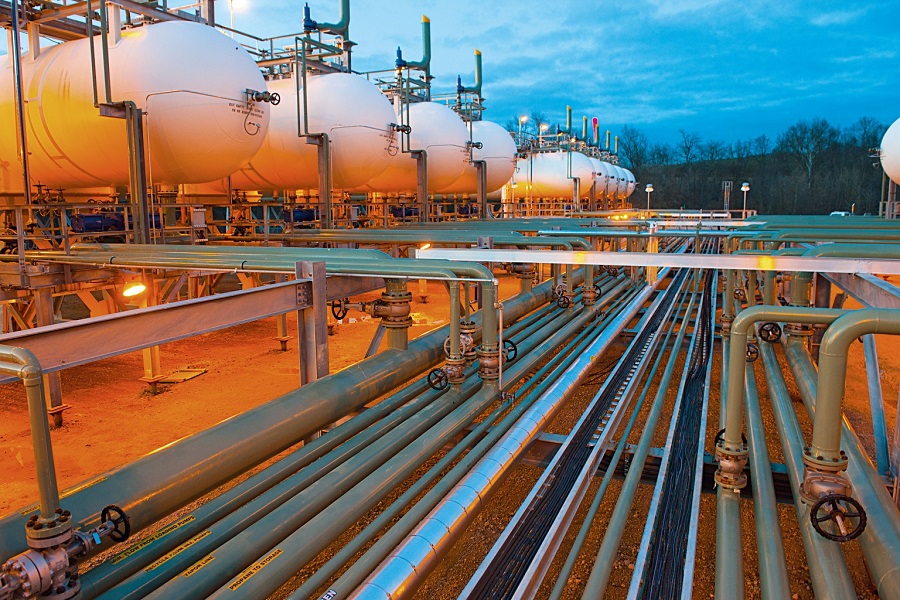
According to the report, Nigeria: Lifting the Lid, which analyses internal company documents disclosed during UK legal proceedings, the company was aware of the risks posed by ageing and leaking infrastructure, including an old pipeline it internally described as “a basket”, but continued operating it.
The report also alleges that Shell exempted its Nigerian subsidiary, Shell Petroleum Development Company (SPDC), from key elements of its global health and safety standards so oil could continue flowing through tampered pipelines, despite the company’s own safety rules.
It further alleges serious weaknesses in Shell’s pipeline management, including a major maintenance backlog, weak oversight systems and poor records on pipeline clamps that had become permanent repairs on leaking pipelines. According to the report, more than 1,600 clamps were registered, including older ones whose locations were unknown.
“A fossil fuel giant that could not verify the location and integrity of hundreds of wells and pipeline clamps, and lacked effective leak detection, cannot credibly claim it had pollution under control. Shell must stop deflecting blame,” said Dr Emem Okon from Kebetkache Women Development & Resource Centre, a Nigeria-based group promoting women’s rights and environmental justice.
The coalition also criticised Shell’s divestment from its onshore business last year, saying it failed to adequately address the clean-up and decommissioning of ageing infrastructure. It cited an internal estimate putting decommissioning costs at around $14bn, with work expected to take decades.
The groups are calling on Nigerian authorities to strengthen oversight of the oil industry by requiring accessible audits of operational and decommissioned infrastructure and establishing a properly resourced Niger Delta clean-up superfund.
They also want UK and Dutch authorities to investigate whether Shell misled shareholders, regulators and affected communities about the true state of its operations and environmental liabilities in the region.
Responding to Amnesty, Shell rejected the report, saying, “The characterisation and portrayal of Shell in your letter is not one we recognise. Shell is committed to honesty, integrity and respect for people, and to conducting business in an ethical and transparent manner.” It also said the findings do not reflect the “challenging operating environment in the Niger Delta at the time”.
Shell has often blamed alleged sabotage and oil theft for pollution across the Niger Delta, where decades of oil spills have led to the loss of livelihoods and widespread suffering.
“The scandal was not simply illegal ‘bunkering’ or oil theft. The real scandal is Shell’s pursuit of profit at the expense of people’s rights. Shell was willing to accept further environmental damage in Nigeria that would not have been tolerated elsewhere, and years of public denial are now challenged by its own documents.”, said Isa Sanusi of Amnesty International.
In 2025, Shell sold SPDC to Renaissance Africa Energy despite concerns over the new company’s capacity, in what activists describe as “a corporate escape route” after decades of profiting from oil in the Niger Delta.
