


Nigeria Tops Africa With 36.3m Facing Crisis-Level Food Insecurity
Nigeria has recorded the largest number of people facing crisis-level or worse food insecurity among 17 African countries monitored by the Alliance for a Green Revolution in Africa (AGRA).
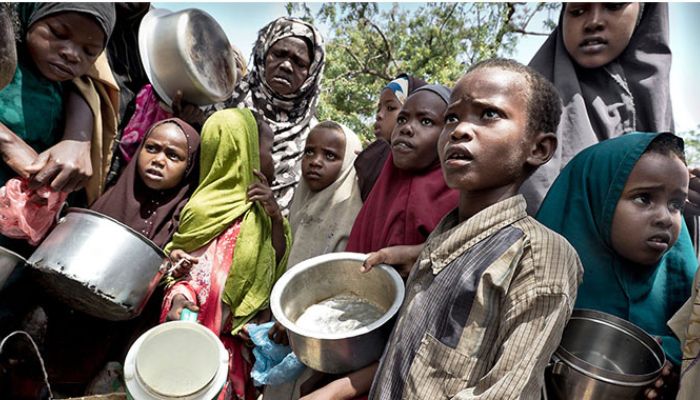
AGRA’s August 2026 Food Security Monitor estimates that 36,289,939 Nigerians, or about 16.65 per cent of the population covered by the assessment, are experiencing IPC/CH Phase 3 or worse food insecurity.
The figure puts Nigeria well ahead of South Sudan, which has about 7.83 million people facing crisis-level food insecurity, followed by Kenya with 4.12 million and Mozambique with 3.52 million.
However, Nigeria does not have the highest proportion of its population affected. South Sudan has about 55 per cent of its population in the crisis-level or worse category, compared with Nigeria’s 16.65 per cent.
AGRA attributed Nigeria’s food-security pressures to conflict and insecurity, displacement, high food prices and weather-related disruptions to agricultural production and markets.
The latest figure remained broadly unchanged from July, suggesting little month-on-month improvement in the number of Nigerians facing acute food insecurity.
Food prices, meanwhile, showed mixed movements in August. AGRA reported that the national average price of white maize rose by 5.2 per cent during the month to ₦355.29 per kilogramme, while white sorghum increased by 6.6 per cent to ₦439.10 per kilogramme.
The Food and Agriculture Organisation separately estimates that about 36.3 million people in Nigeria faced severe acute food insecurity between June and August 2026, including nearly 2.1 million in Emergency conditions and about 10,300 people in Catastrophe conditions in Borno State.
AGRA warned that insecurity, displacement, climate-related shocks and disruptions to agricultural production could continue to put pressure on food availability and access as Nigeria heads into the later part of 2026.
