


US to End Health Funding for Zimbabwe After Data-Sharing Dispute
The United States will end funding for Zimbabwe’s health programmes at the end of September after negotiations over a proposed bilateral health agreement collapsed, the US Embassy in Harare said on Friday.
The decision follows Zimbabwe’s rejection of a proposed health memorandum of understanding that Washington had linked to continued financial support. US Ambassador Pamela Tremont said the programmes would now be wound down as Zimbabwe declined the agreement.
Zimbabwean officials said the proposed deal included requirements for access to sensitive health information, including epidemiological data and biological samples. Government spokesperson Nick Mangwana said Harare had concerns over data sovereignty and what he described as an unequal exchange.
The proposed five-year agreement was valued at about $367 million and was intended to support HIV/AIDS treatment and prevention, tuberculosis and malaria programmes, maternal and child health, and disease-outbreak preparedness.
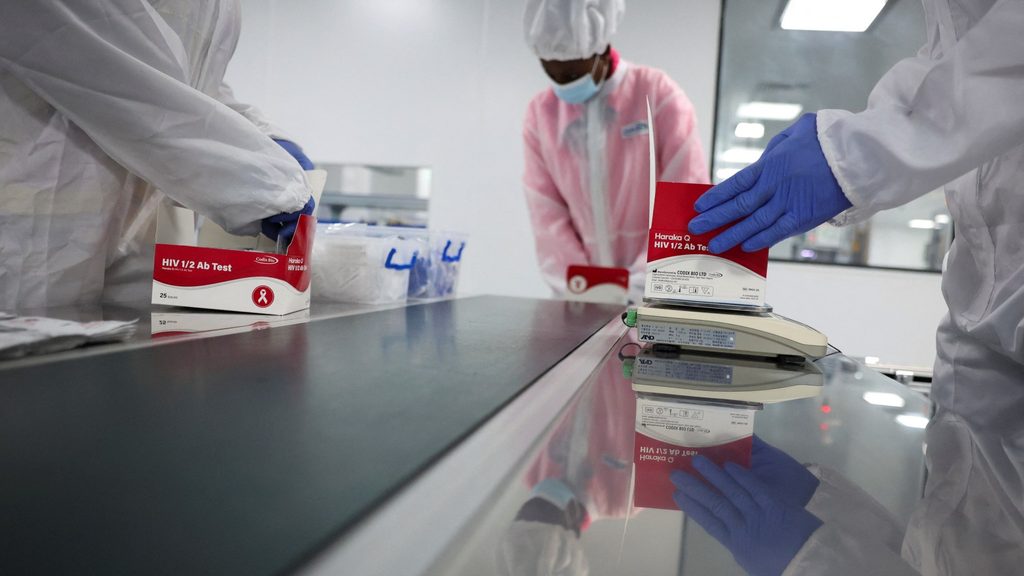
The US has been Zimbabwe’s largest health donor for decades, supporting HIV and tuberculosis programmes, malaria control, medical supplies, laboratories, health workers and community-based services. The withdrawal has raised concerns about the future of those programmes amid wider reductions in international health assistance.
Zimbabwe says it will seek to increase domestic financing as foreign assistance declines, while health advocates have warned that the government could struggle to replace the lost funding.
The dispute is part of a broader US shift toward country-by-country health agreements under President Donald Trump’s administration. Washington says the approach is intended to reduce long-term dependence on foreign aid and encourage greater domestic financing, while several African governments have raised concerns about data-sharing requirements and national health sovereignty.
