


Niger Reopens Uranium Sector as New Foreign Investors Enter Mining Industry
Niger is moving to revive its uranium industry with new foreign investment and a larger government stake in mining projects, signalling a shift in the country’s approach to a sector long dominated by French interests.
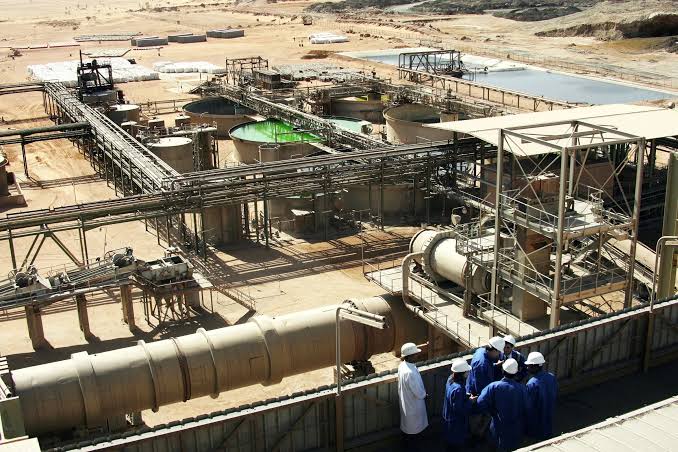
The government has signed an agreement with Australian company Atomic Eagle to restart the Madaouela uranium project in the Agadez region. Under the arrangement, the Nigerien state will hold 40 percent of Madaouela Mining Company, while Atomic Eagle will control the remaining 60 percent. The agreement also provides for an initial $10 million payment, local development projects and the creation of about 1,000 jobs.
Madaouela is estimated to contain about 52,800 tonnes of uranium oxide. The project was previously held by Canadian company GoviEx Uranium before Niger withdrew its licence in 2024. Atomic Eagle later emerged from the merger of GoviEx and Tombador Iron, and the new agreement is expected to end the arbitration dispute over the project.
The development comes shortly after another major foreign financing commitment to Niger’s uranium sector. The United States approved up to $414.2 million in financing for Canadian company Global Atomic’s Dasa uranium project, also in the Agadez region. The funding remains subject to conditions, including securing an export route for the uranium and finalising agreements with the Nigerien government.
The renewed activity marks a notable change in Niger’s mining relationships. French nuclear company Orano historically played a dominant role in the country’s uranium industry, but relations deteriorated after the 2023 military takeover and Niger’s subsequent move to take greater control of its mineral resources. Orano and the Nigerien authorities remain involved in legal disputes over the company’s former assets.
For Niger, the new partnerships offer the possibility of increased state participation, investment and employment in a strategic mineral sector. But the projects also face practical challenges, including financing, security risks in the Agadez region, infrastructure and the need to establish reliable routes for exporting uranium.
The revival of Madaouela alongside the development of Dasa suggests Niger is seeking to keep its uranium industry active while changing the balance of foreign participation. The bigger test will be whether the new arrangements can deliver sustained production and economic benefits while giving the state a greater share of the value generated by its uranium resources.
