


Kenya turns to bioeconomy to cut food imports, post-harvest losses
Kenya is turning to the bioeconomy as part of efforts to reduce reliance on imported food, cut post-harvest losses and create new industries from the country’s biological resources.
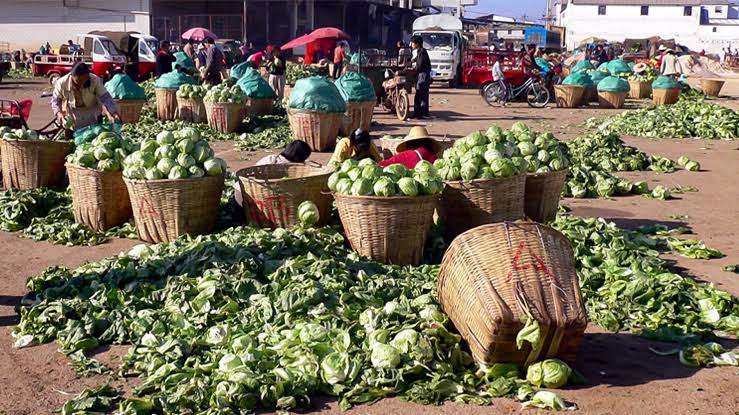
State Department for Science, Research and Innovation Principal Secretary Prof. Shaukat Abdulrazak said the government plans to use technologies including biofertilisers, bioengineering, bioinformatics, biogenomics and artificial intelligence to improve agricultural productivity and the efficient use of nutrients and water.
The comments came as Kenya launched its National Bioeconomy Strategy 2026–2036, a 10-year framework designed to turn biological resources and research into commercial products, jobs and new industries.
Abdulrazak said the government wants Kenya to move from importing food to producing more locally and adding value to its agricultural output, while reducing losses after harvest.
The strategy extends beyond agriculture, covering areas including healthcare, manufacturing, forestry, fisheries, energy and biotechnology.
Kenya is also targeting about 100 billion Kenyan shillings in bioeconomy investment over the next decade, with the government seeking greater participation from researchers, private companies, investors and small-scale farmers.
Officials say agricultural waste could become an important source of new products. One example highlighted by researchers involves banana fibres and leaves being developed into sanitary products, turning materials that might otherwise be discarded into commercially valuable goods.
The government says the broader goal is to strengthen food security, create jobs, increase farmers’ incomes and reduce dependence on imported products, while building industries around Kenya’s biological resources.
