


Nigeria’s Terrorism Trials Raise Questions Over Justice and Reintegration
Nigeria has convicted hundreds of terrorism suspects in a series of mass trials in recent years as authorities seek to clear a backlog of cases linked to the Boko Haram insurgency and the Islamic State West Africa Province (ISWAP). The prosecutions have unfolded alongside government rehabilitation and reintegration programmes for former fighters, placing renewed focus on Nigeria’s dual-track approach to counterterrorism.
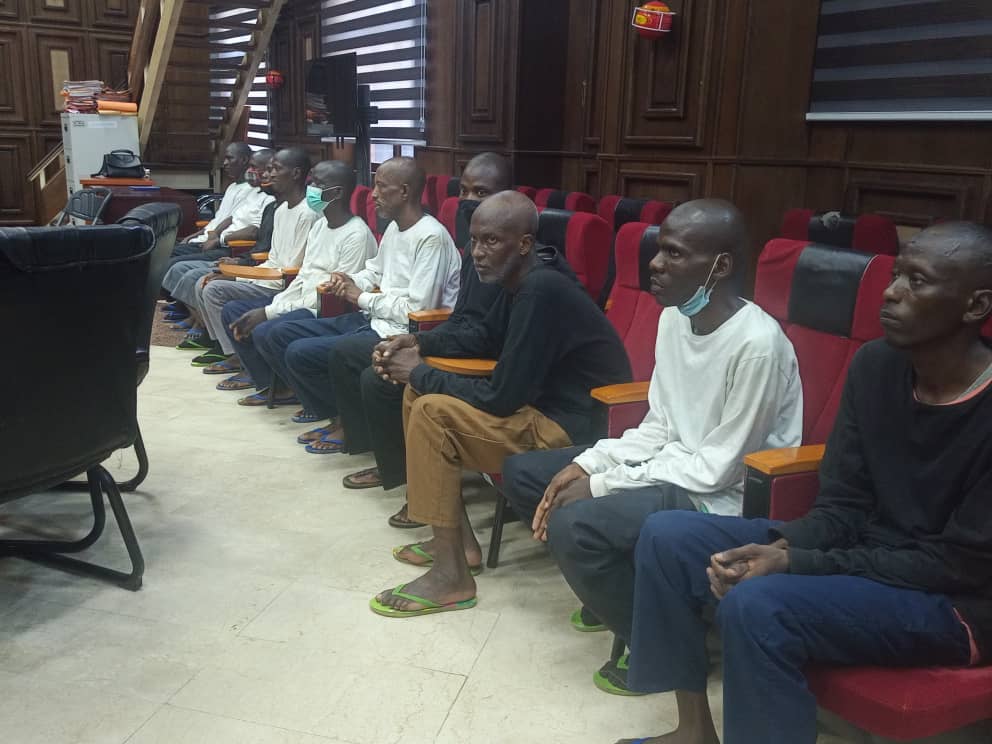
The most recent proceedings took place in June 2026, when authorities announced hundreds of convictions as part of ongoing large-scale terrorism trials. The Federal Government says the process is intended to accelerate the prosecution of suspects captured during military operations while ensuring accountability for terrorism-related offences.
The current phase follows several previous rounds of trials. In July 2024, authorities announced the conviction of 125 terrorism suspects and alleged financiers in Kainji, Niger State, with sentences ranging from 10 to 30 years for offences including terrorism financing and logistical support. In a subsequent phase in 2025, officials said 44 of 54 defendants were convicted. Earlier in 2026, another round of proceedings involved approximately 227 suspects. By April, authorities said about 386 of roughly 508 defendants tried during another phase of proceedings in Abuja had been convicted.
The government says the mass trial framework is necessary to address thousands of cases accumulated during more than a decade of insurgency in north-eastern Nigeria. Officials argue that the approach strengthens accountability while reducing delays in the judicial process.
At the same time, Nigeria’s counterterrorism strategy includes rehabilitation and reintegration initiatives for selected former fighters. Under Operation Safe Corridor, individuals assessed as low-risk or willing to disengage from extremist groups undergo de-radicalisation, vocational training and psychological support before being considered for reintegration into their communities. According to official figures from earlier phases of the programme, more than 2,000 individuals have completed rehabilitation, with hundreds subsequently reintegrated following security screening.
The parallel use of mass prosecutions and rehabilitation programmes has fuelled debate over how Nigeria balances justice, security and reconciliation. Authorities maintain that prosecuting high-risk suspects while rehabilitating those deemed eligible is essential to achieving long-term stability in conflict-affected communities.
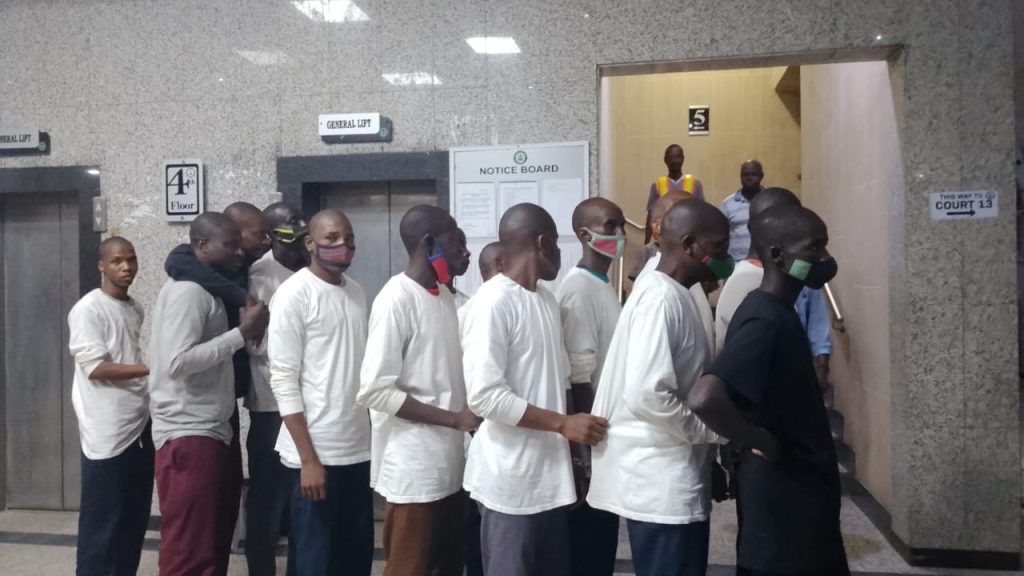
Human rights organisations, including Human Rights Watch and Amnesty International, have nevertheless continued to raise concerns about prolonged detention, due process and access to legal representation. They argue that many suspects have spent years in military custody before appearing in court and have called for stronger safeguards to ensure fair trials. The Nigerian Bar Association and the National Human Rights Commission have also advocated improved compliance with constitutional fair hearing standards while recognising the country’s security challenges.
Beyond prosecuting suspected fighters, Nigerian authorities have increasingly focused on disrupting the financial networks that sustain insurgent groups. Agencies including the Economic and Financial Crimes Commission (EFCC) have expanded investigations into individuals accused of financing terrorism. Although convictions for terrorism financing remain relatively limited compared with those involving direct combatants, officials say financial investigations have become a central pillar of Nigeria’s counterterrorism strategy.
The issue extends beyond Nigeria. According to the Global Terrorism Index, the Financial Action Task Force (FATF) and the United Nations, extremist groups operating across West Africa rely on multiple sources of funding, including kidnapping for ransom, illegal taxation in territories under their control, smuggling networks and informal financial systems. Weak financial oversight, porous borders and cross-border cash movements continue to complicate efforts to identify and disrupt terrorist financing across the Sahel and the Lake Chad Basin.
International partners, including the United Nations Office on Drugs and Crime (UNODC), continue to provide technical assistance aimed at strengthening case management, improving prosecutorial capacity and enhancing judicial processes for terrorism-related cases.
As Nigeria continues to confront the long-term impact of an insurgency that has lasted more than 15 years, its counterterrorism strategy remains under close scrutiny. Authorities say efforts are ongoing to strengthen judicial capacity, reduce case backlogs and improve coordination among security agencies, prosecutors and correctional services. For many observers, the central challenge remains balancing accountability for terrorism offences with due process, rehabilitation and long-term peace.
