


Report Warns of Rising Food Insecurity Affecting 36.2 Million Nigerians
An estimated 36.2 million people in Nigeria are likely to face acute food and nutrition challenges during the 2026 lean season, according to recent humanitarian assessments.
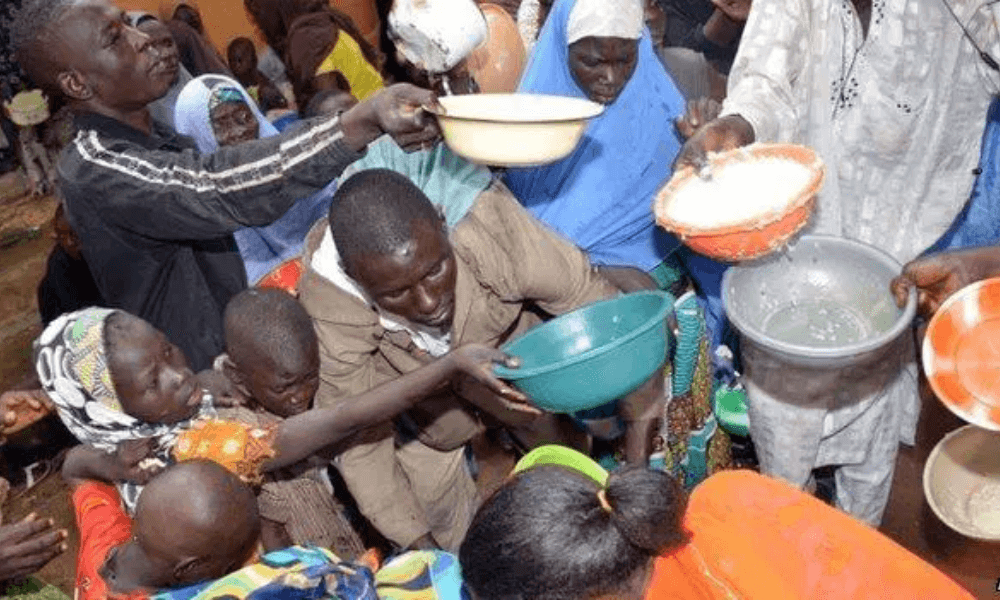
The situation is expected to affect residents across 26 states and the Federal Capital Territory, reflecting a significant escalation in food insecurity nationwide. Analysts attribute the trend to a combination of persistent conflict, climate-related disruptions, rising food costs, and reduced international humanitarian funding.
Current projections indicate that millions of affected individuals will struggle to meet basic dietary needs between June and August, with a portion of the population facing severe or emergency conditions. In some areas, particularly in the North-East, a smaller number of people may experience extreme levels of deprivation if timely assistance is not provided.
Children and pregnant women are identified as the most vulnerable groups, with high levels of malnutrition already recorded in several communities. Borno State remains one of the most impacted regions due to ongoing insecurity and displacement.
Experts note that factors such as limited access to healthcare, poor nutrition, economic hardship, and climate shocks continue to worsen living conditions for many households.
Humanitarian agencies have also expressed concern over declining global funding, which is placing additional pressure on relief efforts at a time when demand for assistance is increasing.
Stakeholders have called for stronger collaboration among government institutions, aid organisations, donors, and the private sector to improve the effectiveness of response strategies. There is also an emphasis on empowering local organisations, which are often closest to affected communities and play a key role in delivering aid.
The report shows the urgency of coordinated action to address the growing crisis and protect vulnerable populations from further hardship.
