

Governor Fubara Withdraws from Governorship Primary Amid Escalating Political Realignments in Rivers State
Rivers State Governor, Siminalayi Fubara, has withdrawn from the All Progressives Congress (APC) governorship primary election in the state, saying he will support whoever emerges as the party’s candidate.
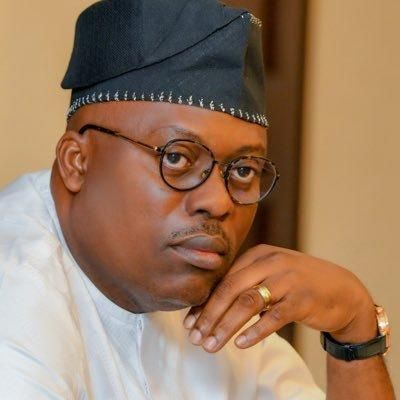
In a statement personally signed on Wednesday, Fubara said the decision followed consultations and careful reflection, describing it as a difficult but necessary step taken in the interest of peace and stability in Rivers State.
He said the unity of the state must remain a priority over personal political ambition, adding that his actions in recent months had been guided by efforts to maintain calm amid ongoing political uncertainty.
Fubara expressed appreciation to his supporters for their loyalty and sacrifices, while assuring them that his withdrawal did not diminish their contributions or trust in his leadership.
He also noted that his period of silence during heightened political tensions was deliberate and aimed at avoiding further escalation of crisis in the state.
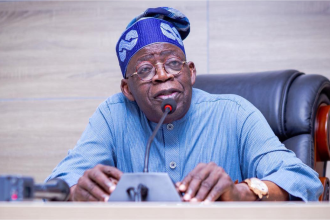
The governor thanked the APC for the platform extended to him and also appreciated President Bola Ahmed Tinubu for his support during the political process. He urged party members to remain united and focused as internal consultations continue ahead of the governorship race.
Fubara’s withdrawal comes against the backdrop of a prolonged political crisis in Rivers State involving rival power blocs within the state’s political structure.
The crisis, largely rooted in a power struggle between Governor Fubara and his predecessor, Nyesom Wike, escalated in 2024 and led to deep divisions within the Rivers State House of Assembly, with competing factions laying claim to leadership of the legislature.
The situation prompted major intervention by the Federal Government in 2025, including the declaration of a state of emergency in Rivers State after tensions threatened governance stability. The measure led to the suspension of key state institutions, including the governor, his deputy, and members of the House of Assembly, while a sole administrator was appointed to oversee the state during the emergency period.
Following months of negotiations involving President Tinubu and key political stakeholders, the emergency rule was eventually lifted, allowing elected officials to return to office after a reconciliation process aimed at restoring constitutional governance.
Since then, although formal governance structures have been restored, political alignments in the state have remained fragile, with observers noting continued undercurrents of rivalry and repositioning ahead of future elections.