


Power Crisis Persists Despite $3.6 Billion World Bank Investment in Sector
Nigeria continues to face persistent electricity supply challenges despite receiving approximately $3.65 billion in World Bank-supported funding over the past 24 years aimed at strengthening the country’s power sector.
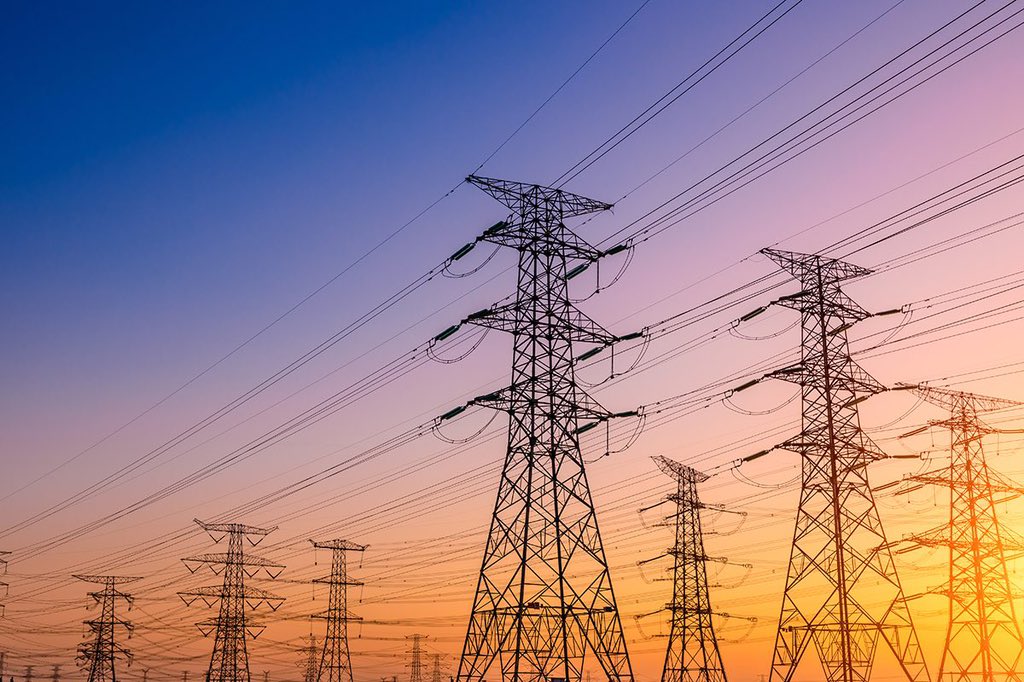
Available data from World Bank-backed electricity projects between 2001 and 2024 indicate that the funds were channelled into various interventions, including transmission system upgrades, rural electrification programmes, renewable energy expansion, and broader sector reform initiatives designed to improve reliability and attract private sector investment.
Over the years, successive projects were introduced to address structural weaknesses in the sector, including efforts to improve grid infrastructure, enhance energy distribution, and expand access to electricity across urban and rural communities.
However, despite these sustained financial interventions, Nigeria’s power supply has remained largely unstable, with frequent national grid disturbances and electricity generation levels that fall short of national demand.
As a result, many households and businesses continue to rely heavily on self-generated power through petrol and diesel generators, which remain a costly alternative to grid electricity.
Energy sector analysts attribute the ongoing challenges to a combination of factors, including weak transmission infrastructure, inadequate investment, liquidity constraints within the power market, vandalism of critical installations, and policy inconsistencies over time.
In recent years, there has been a noticeable shift in intervention strategies, with increased focus on renewable energy projects and decentralised power solutions aimed at improving electricity access, particularly in underserved and rural areas.
Despite these efforts, concerns persist over implementation gaps and the limited impact of reforms on everyday electricity consumers, as power shortages continue to affect productivity, business operations, and essential public services nationwide.
Experts note that the continued dependence on external financing highlights the depth of structural issues in Nigeria’s electricity sector, even after years of privatisation and multiple reform programmes.
