


Nigeria’s Last 400 Elephants Face Extinction Threat, Conservationists Warn
Nigeria’s elephant population has fallen to an estimated 300–400 animals, placing the country’s remaining elephants at serious risk of local extinction, conservationists have warned.
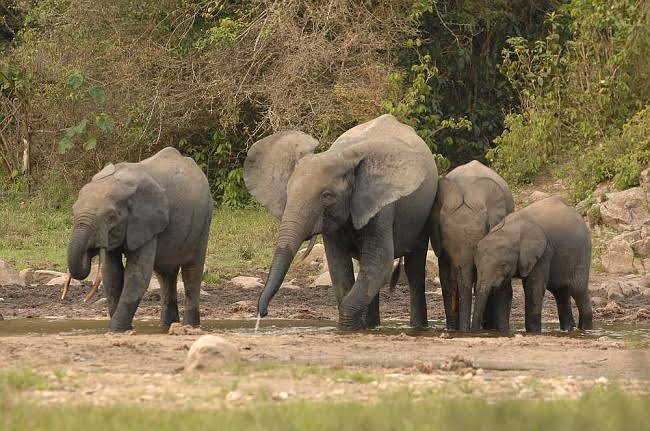
The Wildlife Conservation Society (WCS) and the Elephant Protection Initiative Foundation say Nigeria’s elephant population has declined by about 99%, largely because of habitat destruction, poaching and human encroachment. The country’s remaining elephants include an estimated 200–300 forest elephants and about 100 savanna elephants.
The latest warning comes amid growing pressure on wildlife habitats as agricultural expansion, illegal logging and other human activities reduce the areas available for elephants to feed, breed and move freely. Conservationists say populations in places such as Yankari Game Reserve, Omo Forest Reserve, Okomu National Park and Cross River National Park are increasingly isolated by human development.
In June, Nigeria’s Minister of Environment, Balarabe Lawal, warned that habitat loss, poaching, illegal logging and human encroachment were pushing the country’s elephant population to critically low levels. He called for stronger conservation policies and greater cooperation among government agencies, conservation organisations and local communities.
Elephants play an important role in maintaining forest ecosystems. They disperse seeds, create pathways through dense vegetation, help other animals access water and contribute to soil and nutrient cycling.
In response to the decline, Nigeria adopted a 10-year National Elephant Action Plan (2024–2034) aimed at protecting the country’s remaining elephants. The strategy focuses on strengthening anti-poaching measures, protecting and restoring habitats, improving monitoring and working with communities living around elephant habitats.
Conservationists say the situation is critical but not hopeless, stressing that protecting remaining habitats and preventing poaching could still secure the future of Nigeria’s elephants.
With only a few hundred animals remaining nationwide, experts warn that continued habitat fragmentation and illegal wildlife killing could push some of Nigeria’s elephant populations beyond the point of recovery.
